What Causes Male Infertility?
Male infertility is implicated in nearly half of all cases where couples experience difficulty conceiving, yet it often remains underdiagnosed and undertreated. A wide range of underlying causes can impair male reproductive health, including genetic anomalies, infections, autoimmune dysfunction, and exposure to environmental toxins.
In addition, lifestyle variables such as chronic stress, suboptimal nutrition, smoking, alcohol use, and prolonged heat exposure can significantly degrade sperm quality. Advanced paternal age, pharmaceutical side effects, and medical interventions further compound these risks. Some individuals are diagnosed with idiopathic infertility, meaning no definitive cause can be identified despite thorough evaluation.
Understanding Male Factor Infertility Symptoms
Male infertility frequently presents through abnormal semen parameters such as reduced sperm count, poor motility, or impaired morphology. Hormonal irregularities and anatomical issues like varicocele can exacerbate these challenges.
While conventional treatments typically involve hormonal modulation or surgical intervention, increasing numbers of patients are exploring acupuncture for male infertility due to its safety profile and growing body of clinical support. Evidence suggests acupuncture can enhance sperm motility, concentration, and overall semen quality by activating specific meridians and modulating the body’s physiological response.
Acupuncture may also mitigate the inflammatory and oxidative stress processes that compromise sperm DNA integrity—without the adverse effects commonly associated with pharmaceuticals. Integrative protocols that combine acupuncture with therapies such as moxibustion offer a promising adjunctive strategy for optimizing male fertility.
How Acupuncture Treatment Improves Male Fertility
- Enhance perfusion to the testes, facilitating improved oxygenation and nutrient delivery
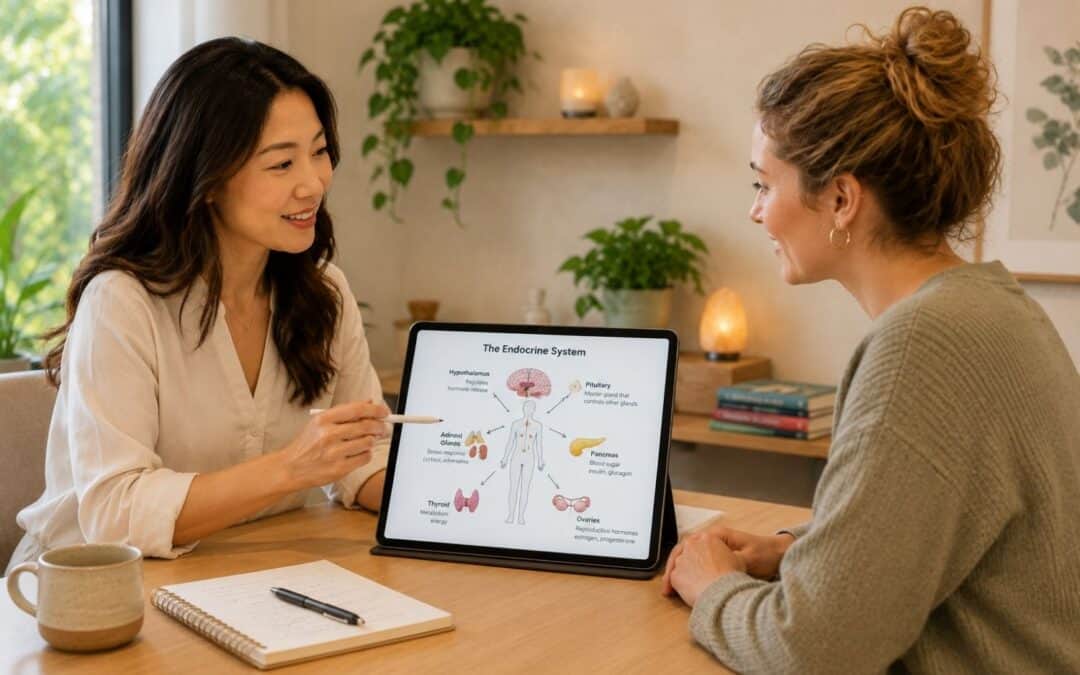
- Regulate hormonal output, including testosterone synthesis, through hypothalamic-pituitary-gonadal axis modulation
- Reduce oxidative stress, which can impair sperm motility and DNA structure
- Support parasympathetic activity, reducing cortisol levels and promoting reproductive homeostasis
Chinese Herbal Medicine as Treatment for Male Infertility
Unlike generic over-the-counter supplements, Chinese herbal formulations are custom-tailored by licensed practitioners to address individual imbalances as defined by Traditional Chinese Medicine (TCM) diagnostics.
Common treatment strategies may include:
- Tonifying kidney Yang to strengthen the energetic foundation of sperm production
- Enhancing seminal fluid quality and quantity
- Clearing damp-heat or stagnation that may hinder reproductive function
Frequently used botanicals such as Panax ginseng, goji berries, and epimedium have demonstrated potential fertility-enhancing effects. However, their true efficacy emerges when combined within personalized formulas grounded in centuries of clinical practice and contemporary research.
Effect of Acupuncture and Chinese Medicine on Male Fertility
| Area of Improvement | The Science Behind It | What You Might Notice |
| Better blood flow to reproductive organs | More oxygen and nutrients reach the testes | Improved sperm production and quality |
| Balanced hormones | Natural regulation of testosterone and other key hormones | Better sperm development, increased libido |
| Less cellular damage | Protection against oxidative stress on sperm DNA | Healthier, more mobile sperm |
| Stress relief | Calmer nervous system, lower stress hormones | Overall reproductive function improves |
| Stronger immune response | Reduced inflammation affecting sperm | Better sperm shape and movement |
Lifestyle Recommendations to Enhance Male Reproductive Health
Traditional Chinese Medicine emphasizes a comprehensive approach to healing. In conjunction with acupuncture and herbs, practitioners often recommend lifestyle changes that align with fertility enhancement:
- Incorporate antioxidant-rich foods such as berries, nuts, and leafy greens.
- Include healthy fats from sources like avocados, olive oil, and fatty fish.
- Focus on minerals, particularly zinc, found in foods like oysters, pumpkin seeds, and beans.
- Limit processed foods and alcohol to improve overall health.
- Practice stress-reduction techniques like tai chi and breathing exercises.
- Avoid hot tubs and saunas to protect reproductive health.
They might suggest cutting back on processed foods and alcohol while adding stress-reducing practices like tai chi or simple breathing exercises. These interventions aim to restore balance not only within the reproductive system but across the entire physiological landscape.
Acupuncture Treatment Timeline and What to Expect
Spermatogenesis—the process of creating new sperm—takes approximately 72 to 90 days. As a result, patients undergoing acupuncture for male infertility should anticipate at least three months of consistent treatment before notable changes appear in semen analysis results.
Most treatment plans involve:
- Weekly acupuncture sessions tailored to the individual’s constitution and diagnosis
- Daily ingestion of customized herbal formulations
- Ongoing dietary and lifestyle adjustments to support systemic health
Although measurable improvements in sperm quality may take several months, many patients report enhanced energy levels, reduced stress, and increased libido within the first few weeks of care.
Safety of Acupuncture for Male Fertility Treatment
The safety of acupuncture for male fertility treatment is well-established when performed by licensed practitioners using sterile, single-use needles. Unlike pharmaceutical interventions that may carry side effects such as hormonal fluctuations or gastrointestinal distress, acupuncture offers a non-invasive approach with minimal risk of adverse reactions. Clinical studies consistently demonstrate that acupuncture-related complications are rare, typically limited to minor bruising or temporary soreness at needle sites. This excellent safety profile makes acupuncture particularly appealing for men who wish to avoid the potential reproductive side effects associated with certain medications. Additionally, acupuncture can be safely combined with conventional fertility treatments, herbal medicine, and lifestyle modifications without contraindications, allowing for comprehensive integrative care that supports both immediate wellness and long-term reproductive health goals.
Treatment of Male Infertility at City Pulse Acupuncture
City Pulse Acupuncture offers a personalized, integrative approach for men seeking to optimize their fertility. Our team of experienced practitioners combines evidence-based acupuncture techniques with time-honored herbal medicine to support reproductive wellness.
We understand the emotional and physical toll fertility challenges can bring. Our clinic is committed to providing compassionate, individualized care that empowers patients on their path to parenthood.
Schedule your consultation today to discover how Traditional Chinese Medicine can help restore balance, enhance sperm health, and improve your reproductive outcomes.
Frequently Asked Questions About Male Fertility Treatment
Will acupuncture actually help if my sperm count is low?
Research suggests it can. The treatment improves circulation, balances hormones, and supports your body’s natural sperm production processes.
Is it safe to take Chinese herbs while trying to conceive?
When prescribed by a licensed practitioner, yes. These formulas are often used alongside conventional fertility treatments without issues.
How long before I see real results?
Most men notice changes within 3-6 months. This aligns with how long it takes new, healthier sperm to develop.
Can I do this while my partner is doing IVF or IUI?
Absolutely. Many couples use acupuncture and herbs to improve their chances with assisted reproductive technologies.
Does stress really mess with male fertility that much?
Unfortunately, yes. Chronic stress disrupts hormones and can damage sperm quality, which is why managing stress becomes crucial for fertility.