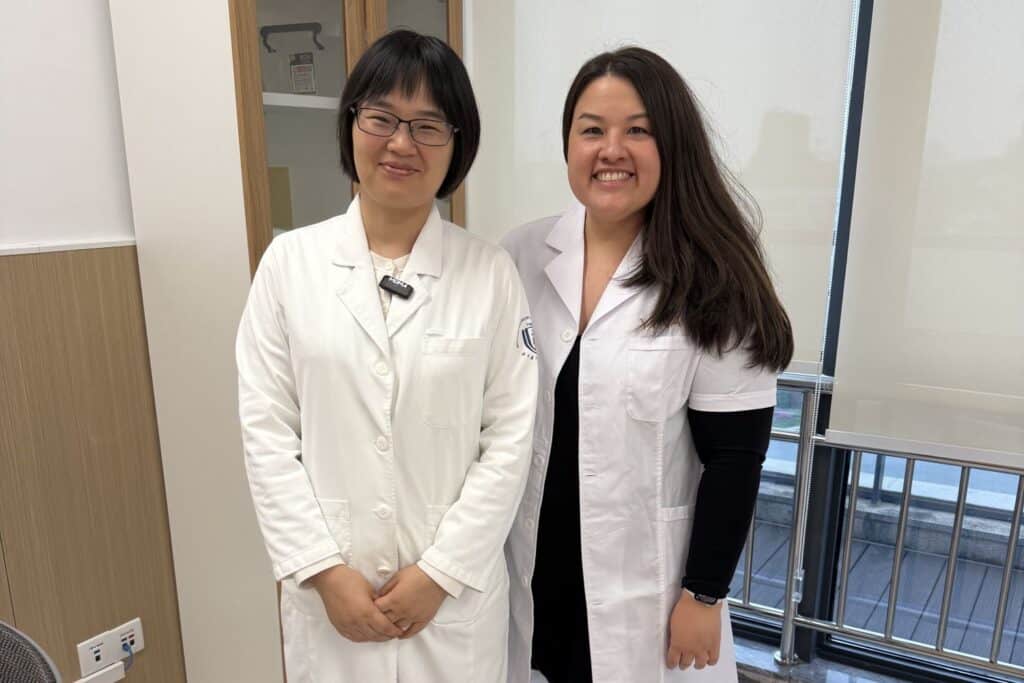
I specialize in fertility, women’s health, and reproductive medicine. It shapes what I notice, what I ask about, and what I cannot stop thinking about when I am in a clinical setting. So when I spent ten days in Hangzhou, China last April observing some of the most experienced TCM practitioners in the country, I came home with a very specific set of observations that I want to share with the patients I work with every day in Oakland.
This is not a travelogue. It is a clinical debrief filtered through fifteen years of practice and the particular lens of someone who thinks about fertility, hormones, and women’s health all day long. If you want the full day by day account of the trip including the rice wine museum, the 24 solar terms restaurant, the palace banquet, and He Laoshi’s home-cooked dinner, that is here.
Read the full ten-day account here
What follows are the five things that have most directly changed how I think and talk about care with my patients.
1. Environmental Toxins Are a Fertility Variable Worth Taking Seriously
Dr. Zhou Feifei is the Deputy Chief Physician and Director of Reproductive Immunology at Zhejiang Provincial People’s Hospital. She sees over 30,000 fertility patients a year and reports a 70 to 80 percent success rate. I spent an afternoon observing her see patients and it was one of the most instructive clinical experiences of my career.
Every one of her patients eats and stores food in glass containers. This is not a lifestyle suggestion she makes casually. It is an embedded protocol based on the research on bisphenols, phthalates, and other endocrine disrupting chemicals found in plastics and their documented impact on hormonal health and fertility outcomes. When I asked Dr. Zhou what she believes is driving the infertility epidemic, environmental toxins were the first thing she named.
For patients navigating fertility challenges, hormonal imbalances, or endometriosis, the environmental exposure conversation is one I am now having more explicitly and more specifically than I was before this trip.
2. Food as Medicine Is Not a Wellness Trend. It Is Just Breakfast.
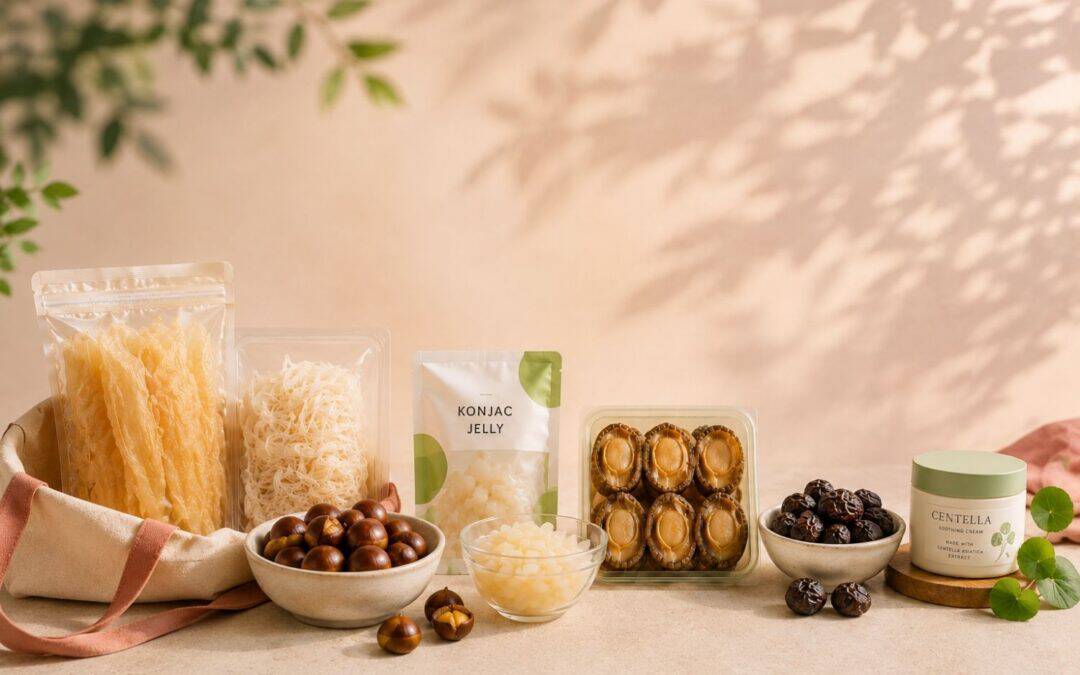
Every morning at our hotel a rotating bento arrived. Warm soup, a soft boiled egg, sweet potato, corn, lotus root, fresh seasonal fruit, and a small protein. Nothing cold, nothing frozen, nothing processed. In Traditional Chinese Medicine the Spleen is the root of digestion and the source of qi and Blood. Cold food injures the Spleen and dampens digestive fire. This is not a metaphor. It has measurable clinical effects on digestion, energy, hormonal regulation, and immune function.
In Hangzhou, food as medicine is not a wellness trend. It is simply how eating works. Seven mornings of breakfast that was quietly doing more clinical work than most supplements I recommend. It made me think differently about the cold smoothie conversations I have with patients and how much more directly I want to address diet as a clinical variable rather than a lifestyle recommendation.
3. Ginger Moxibustion Is More Effective Than Most People Realize
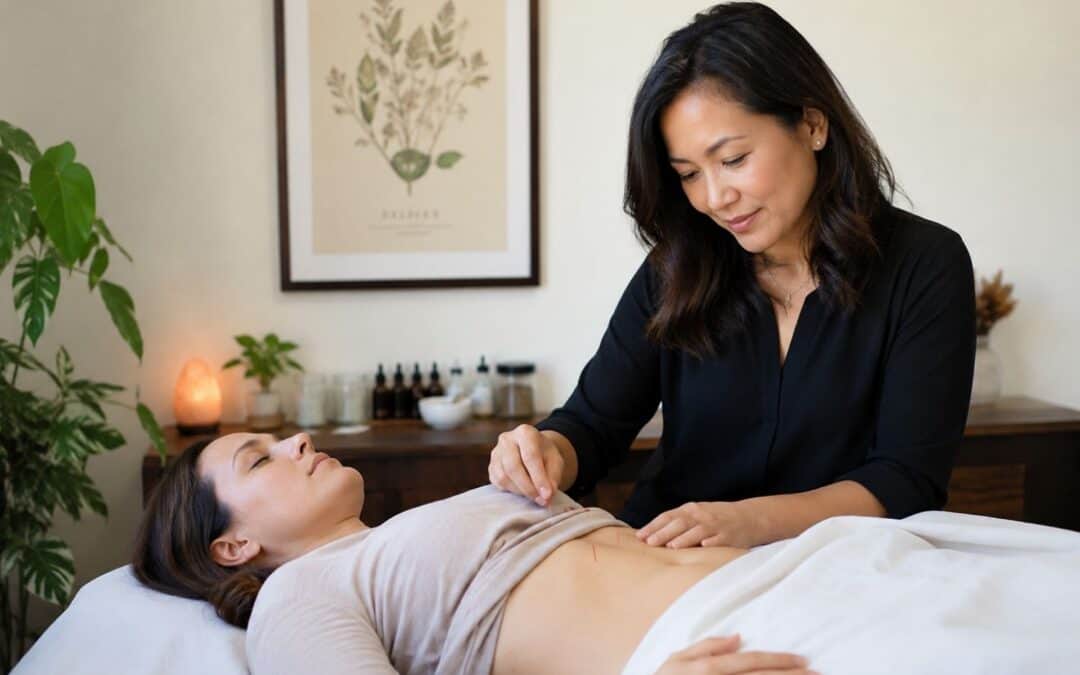
In Dr. Feng Ninghan’s clinic in Hangzhou I observed ginger moxibustion prepared in a way I had not seen before. Fresh ginger is grated rather than sliced and packed directly over inserted acupuncture needles. Moxa is shaped and placed on top of the ginger and lit. The grating is clinically significant because it expresses the ginger juice directly into the treatment area, intensifying the medicinal effect significantly compared to sliced ginger. The heat travels through the ginger and into the tissue, warming the channels, moving stagnation, and dispersing cold and damp from the body. The ginger itself is anti-inflammatory and warming. Together they create a depth of penetrating warmth that standard moxibustion alone does not replicate.
The patients receiving this treatment were completely relaxed and on their phones. Ancient medicine practiced as a completely ordinary part of a Tuesday morning. I came home wanting to use the freshly grated technique more consistently with patients managing menstrual pain, fertility challenges, cold constitution, and fatigue.
4. The Postpartum Period Deserves More Than a Six-Week Checkup
We visited Saint Bella, one of China’s most prestigious postpartum care centers, housed inside the Four Seasons Hotel in Hangzhou. The standard stay is 42 days, with some families extending to 56. Each mother has a dedicated 24-hour nurse for herself and her baby. Clinical offerings include herbal wraps, smokeless moxibustion, massage, herbal medicine, and TCM postpartum meals prepared by five-star chefs. Saint Bella has recently expanded to the United States with locations at the Waldorf Astoria Monarch Beach Resort in Southern California and the Baccarat Hotel in New York.
The model is based on Zuo Yue Zi, sitting the month, a traditional Chinese postpartum practice thousands of years old. The first 42 days after birth are understood as a critical window that shapes long-term maternal health physically, hormonally, and emotionally. Warmth, nourishment, rest, and dedicated professional support are not luxuries in this framework. They are the standard of care.
The contrast with what most American women receive postpartum is significant and worth sitting with. A six-week checkup is not postpartum care. The Zuo Yue Zi principles apply regardless of cultural background and I am having this conversation more explicitly with every postpartum patient I see.
5. Menopause Is a Transformation, Not a Deficiency
Dr. Zhang’s lecture on menopause was one of the most clinically useful sessions of the trip. Her framing offers something that is largely absent from the Western medical conversation around menopause and I think it is genuinely useful for patients navigating this transition.
In TCM, menopause is understood as a natural redistribution of jing and qi rather than a deficiency state requiring correction. Dr. Zhang was direct: fearing aging causes qi stagnation and blood stagnation, which compounds the physiological difficulty of the transition. Her practical guidance was straightforward. Sleep, rest, and let go. Protect your yang energy by covering the neck, waist, upper back, and feet from wind and cold. These are clinical interventions for a body in transition, not lifestyle suggestions.
Menopause is not an ending but a transformation, a time to conserve and redirect life energy inward. The Western narrative of deficiency and loss is not the only story available. TCM offers a different orientation and I think it is a more empowering one for most patients.
What This Means for My Practice in Oakland
Everything I observed in Hangzhou informs the care I bring to every session at City Pulse. Whether you are navigating fertility challenges, endometriosis, hormonal imbalances, postpartum recovery, or the menopausal transition, the clinical frameworks I deepened in China are directly applicable to the conversations we have in the treatment room.
I am currently accepting new patients for fertility support, endometriosis management, hormonal health, postpartum care, and general wellness in Oakland, CA and the surrounding Bay Area.