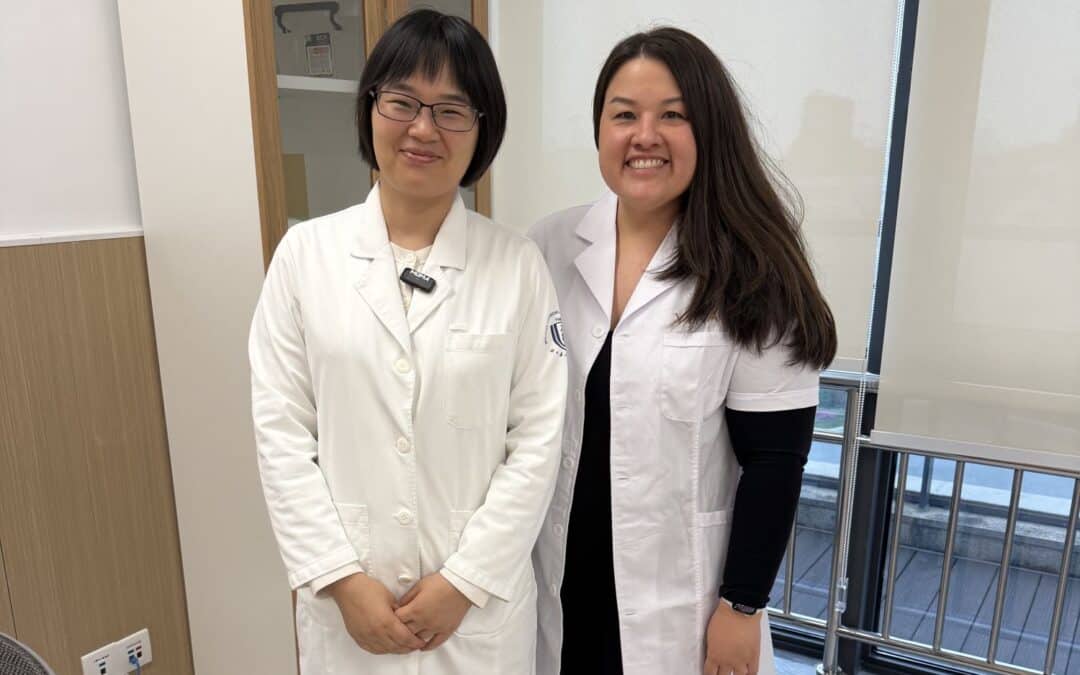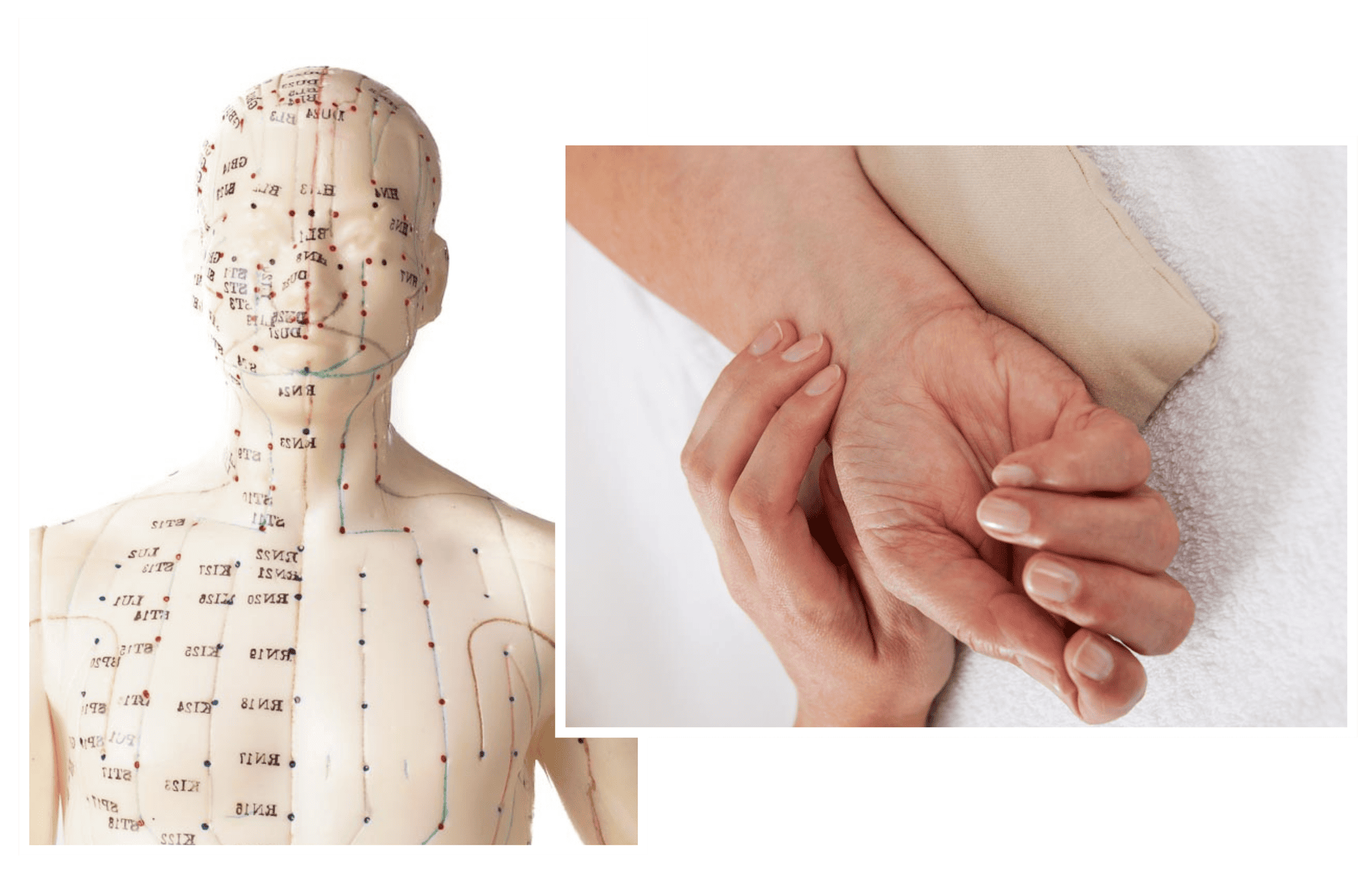
This past April I traveled to Hangzhou, China for a ten-day TCM clinical training and retreat. It was my fourth visit to China and my third time studying there. I came home with 50 CEUs and a lot to think about clinically.
What follows is a day by day account of what we did, who we saw, and what I found most useful and interesting.
Day 1: Arrival
Local Produce Market | Silk Museum | Foot Massage | Welcome Dinner
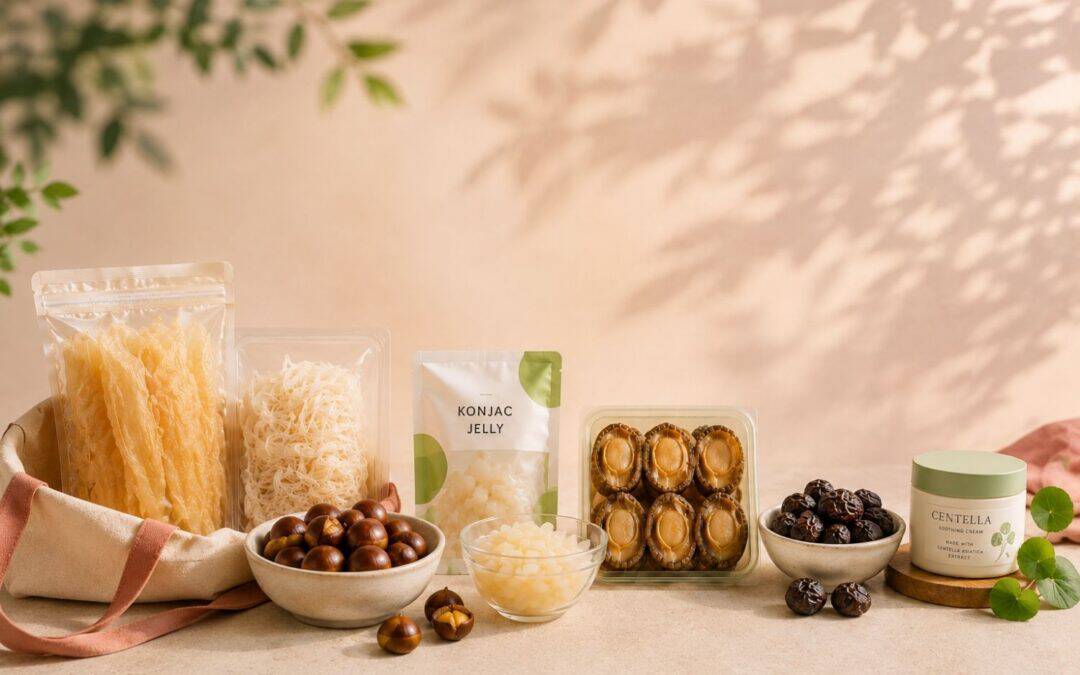
Our first stop was a local produce market, an immediate and practical orientation to the food culture in Hangzhou. Ginger, lotus root, taro, water chestnuts, dried mushrooms, and medicinal herbs were sold alongside everyday produce. There was no distinction between food and medicine at the market level, and that framing carried through the entire trip.
The Silk Museum was a highlight, recently renovated for the G20 summit and notable enough to have drawn a visit from Michelle Obama. It offered a beautifully presented history of silk production in China, covering the cultural, economic, and artistic significance of silk from its origins to the present.
Hangzhou was rainy during our visit. After the museum we went for a foot massage, and this was not a standard spa experience. A ginger paste was applied to our knees specifically to warm the joints and eliminate cold and dampness, which was clinically appropriate given the weather and the amount of walking we were doing. The foot massage venue also served food: black chicken soup with red dates, goji berries, and cordyceps, a classic TCM nourishing formula, alongside mulberry and black goji berry, and steamed egg soup. It was a full medicinal meal in what most people would think of as a spa setting.
Welcome dinner that evening set the standard for the food throughout the trip, which was consistently warm, seasonal, and regionally specific.
Day 2: The Museum and the Scalp
Morning Qigong | TCM Museum | Scalp Therapy | Hot Pot Dinner
Day 2 was the first morning of Qigong, a practice that continued every morning for the rest of the trip before breakfast and clinic. The form we practiced was Ba Duan Jin, one of 13 forms of Qigong officially recognized by the Chinese government, specifically designed to move qi through the organ systems and meridian pathways. Dr. Ma would give us the full lecture on Day 4 that contextualized what we were doing each morning.
The TCM Museum at Zhejiang University of Traditional Chinese Medicine was one of the most worthwhile stops of the trip. The lobby featured a giant live meridian model where each meridian illuminated when you pressed the corresponding button. The museum covered thousands of years of Chinese medical history, including a notable section on how President Nixon’s 1972 visit to China triggered the acupuncture movement in the United States, a piece of history worth knowing for any practitioner trying to understand how TCM arrived in the West.
One display stopped me. A plaque documented the third batch of Hangzhou medical team sent to aid Hubei during COVID-19 in February 2020. The team, led by Chinese medicine expert Chen Qilan, went to Wuhan and took over a ward treating COVID-19 patients. The results documented on the plaque were striking: a Chinese medicine treatment rate of 100 percent and a Chinese and Western medicine synergistic treatment improvement rate of 98.28 percent. The protective clothing signed by ward members after the mission was completed was displayed alongside it.
The afternoon was a scalp therapy session, a specialized treatment combining deep cleansing, exfoliation, steam, scalp massage, and specific techniques designed to stimulate circulation, support follicle health, and address scalp conditions. This style of treatment has become increasingly popular in the US. Following the session we were served a traditional Chinese dessert soup of pear and tremella with goji berries and jujubes. Tremella mushroom nourishes yin and moistens the Lungs, pear clears heat, goji berries nourish the Liver and Kidneys, and jujubes tonify Blood and calm the Shen. It was a clinical formula presented as dessert.
Hot pot dinner that evening was communal, warm, and nourishing, a recurring theme in how meals were structured throughout the trip.
Day 3: Dr. Zhou and the Rice Wine
Drive to Shaoxing | Huang Jiu Rice Wine Museum | Clinic with Dr. Zhou
We drove to Shaoxing in a brand new electric van. China’s electric vehicle market is operating at a completely different level than what we see in the US, with infrastructure, quality, and adoption rates on a different scale entirely.
Shaoxing is the birthplace of Huang Jiu, Chinese rice wine, and the Rice Wine Museum gave us a thorough education in its production and cultural significance. Huang Jiu is amber in color when well-aged, while a more translucent appearance indicates a younger or differently processed wine, which is also considered good. The fragrance comes from the rice and the culture used in fermentation, and the flavor is a carefully balanced interplay of sweetness and acidity. One tradition stood out: when a daughter is born in Shaoxing, her family makes a batch of rice wine and buries it. It ages in the ground for eighteen years and is unearthed to be served at her wedding banquet.
The afternoon was the clinical highlight of the trip.
Dr. Zhou Feifei is the Deputy Chief Physician and Director of Reproductive Immunology at Zhejiang Provincial People’s Hospital. She specializes in recurrent miscarriage, repeated embryo transfer failure, and complex fertility cases. She sees over 30,000 patients a year and reports a 70 to 80 percent success rate.
I observed her work through a full patient load. Every appointment included pulse and tongue diagnosis, review and update of the herbal formula, ultrasound review, and review of a food diary the patient brought to each visit. All of her patients eat and store food in glass containers, and this is a protocol, not a suggestion. The reasoning is straightforward: plastic food contact is a documented source of endocrine disrupting chemicals, and for fertility patients the exposure reduction is clinically relevant. The integration of Western diagnostics and TCM in every appointment was seamless.
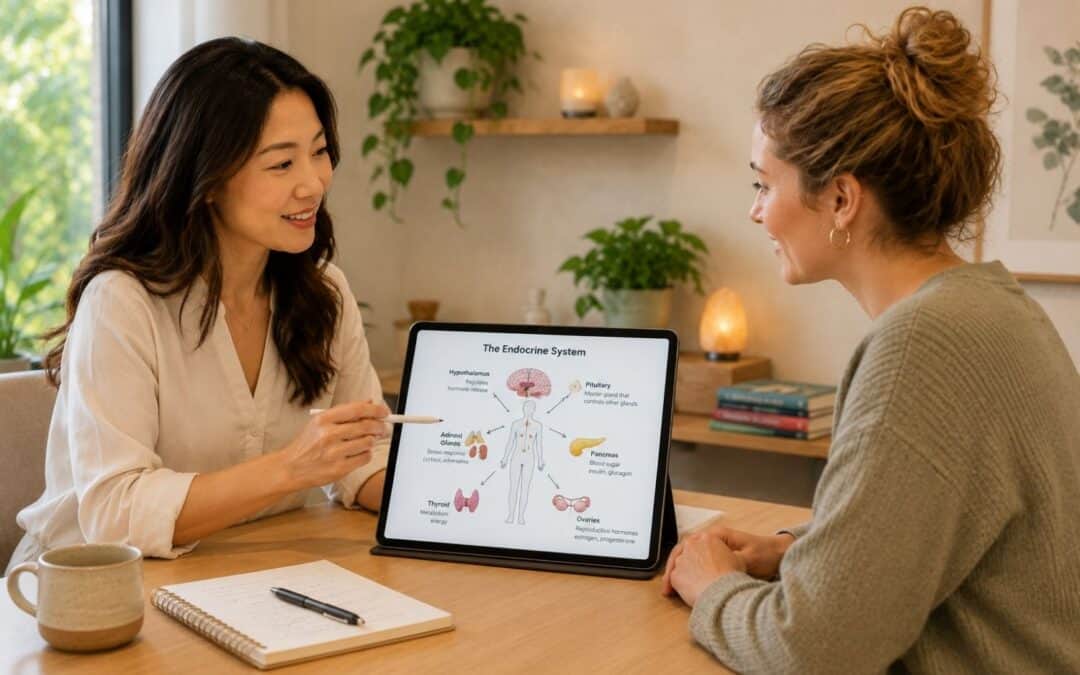
When I asked Dr. Zhou what she believes is driving the infertility epidemic, her answer was immediate: environmental toxins, chronic stress, and a lack of movement.
Day 4: Lectures and Gong Yan
Qigong Lecture with Dr. Ma | Pediatrics Lecture with Dr. Kuang | Palace Dinner
Dr. Ma’s Qigong lecture gave us the theoretical and historical framework for Ba Duan Jin, the form we had been practicing each morning. He covered its historical and cultural origins in depth alongside the clinical rationale for each of the eight movements. Having the lecture on Day 4 after several mornings of practice gave it an entirely different quality than it would have had in a classroom setting at home.
Dr. Kuang’s lecture began with pulse diagnosis, his specialty and an area of genuine expertise. He demonstrated on several of us in the group, identifying constitutional patterns, current health states, and recent cycle history with notable precision. He took my pulse and accurately identified that I had just finished my period. His command of pulse diagnosis was exceptional, the kind of clinical skill that comes from decades of focused practice. The pediatric portion of the lecture covered TCM approaches to common childhood conditions through acupuncture and herbal medicine, with an emphasis on constitutional pattern identification in children and the long-term health implications of addressing those patterns early.
The evening was Gong Yan (宫宴), an immersive Tang Dynasty palace banquet that has become one of the most sought-after dining experiences in China. Tickets are genuinely difficult to get, and the demand has been significant enough that the show expanded from six to seven nights per week. It is available in Hangzhou, Shanghai, and other major cities, and is popular with locals and visitors alike.
The venue is built around a rotating circular stage. Between each course a performance takes place featuring traditional music, dance, and theatrical storytelling covering the history of the Tang Dynasty. Each dish is introduced by an animated story projected directly onto the plate before it is served. Guests who arrive early have the option of being dressed in Tang Dynasty costume with full makeup, hair, and period-appropriate clothing. Servers are dressed in traditional imperial garb throughout the evening. The food was excellent, beautifully presented, and consistent with the imperial banquet theme.
Day 5: Linen, Wetlands, Facial Acupuncture, and Dr. Lu
Zhao Ben Tang | Lunch at XiXi Wetlands | Facial Acupuncture at TCM Hospital | Dinner and Tea with Dr. Lu Sheng Sheng
Zhao Ben Tang is a Hangzhou institution, a beautifully curated store selling hand-dyed linen clothing and textiles with a distinctly Eastern aesthetic. Everything is made with natural dyes and a design sensibility rooted in Chinese craft tradition. We spent time trying things on and most of us left with something. I left with two pieces.
Lunch was at a restaurant in the XiXi Wetlands, a UNESCO-recognized national wetland park on the outskirts of Hangzhou. The restaurant structures its entire menu around the 24 solar terms of the Chinese lunar calendar.
The 24 solar terms, known as Jie Qi, divide the solar year into 24 equal periods of approximately 15 days each, marking the transitions of climate, season, and agricultural rhythm throughout the year. They were developed in ancient China as a practical agricultural calendar and are now recognized by UNESCO as an Intangible Cultural Heritage of Humanity. Each term has a name that reflects what is happening in the natural world. Qing Ming, the term we were in, translates to Clear and Bright and marks the period in early April when the air clears after winter, temperatures rise steadily, and spring is fully established. It is also associated with the Qing Ming Festival, the traditional day for visiting and honoring ancestral graves.
In TCM the 24 solar terms are clinically relevant. Each period corresponds to specific organ systems, climatic influences, and constitutional vulnerabilities, and food, lifestyle, and treatment recommendations shift accordingly. Eating with the solar terms is one of the most practical expressions of TCM preventive medicine, choosing foods that support the body’s natural adaptation to each seasonal transition rather than working against it.
The Qing Ming menu was all organic and all vegetarian, light, clean, and specifically chosen for the qualities appropriate to this transitional spring period. The food was exceptional.
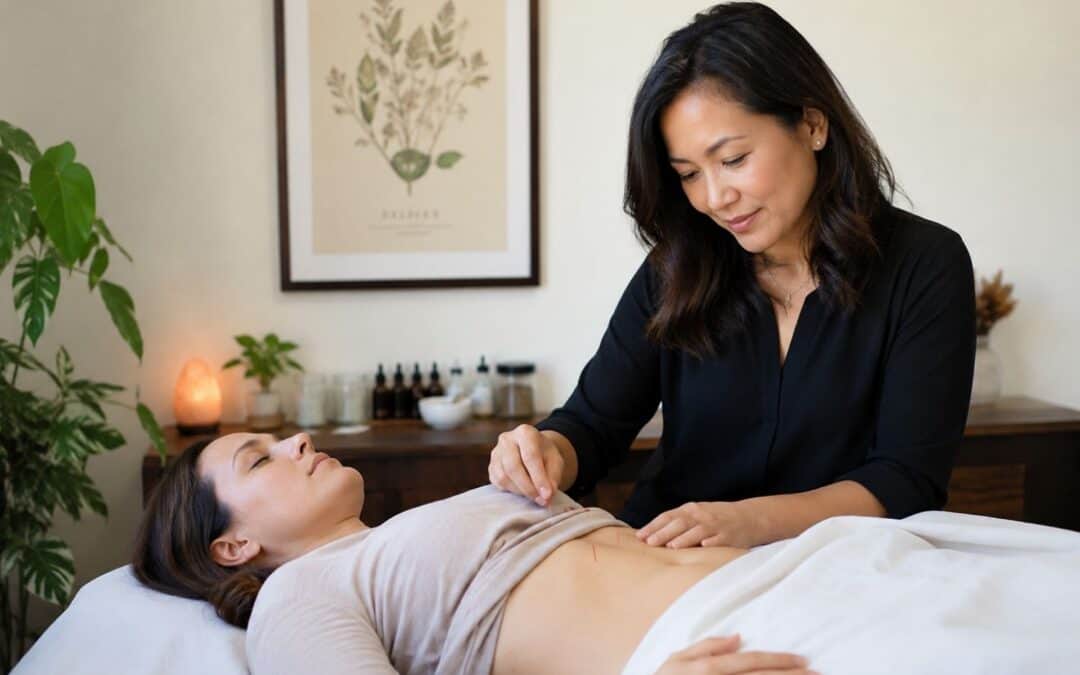
The afternoon was facial acupuncture at a TCM hospital, and this was a full clinical experience rather than a cosmetic treatment. We began with a computerized skin analysis, followed by a comprehensive health intake covering menstrual cycle history, sleep, energy levels, digestion, and emotional wellbeing, with pulse and tongue diagnosis. Treatment consisted of a full set of body acupuncture needles addressing the constitutional patterns identified in the intake, followed by facial needling. The approach was explicitly systemic, and the facial acupuncture was the outcome of understanding the whole person rather than an isolated cosmetic intervention.
Dinner that evening was with Dr. Lu Sheng Sheng. Afterward we had tea and Dr. Lu brought his flute and played for us. It was a quiet and genuinely lovely end to a full day.
Day 6: Acupotomy and He Fang Jie
Acupotomy with Dr. Wan | Vegetarian Lunch | He Fang Jie | Ginseng Session with Dr. Fang
At a TCM hospital in Hangzhou I observed Dr. Wan Quan Qing, Chief Physician, Professor, and Director of the Acupotomy Professional Committee of the Zhejiang Acupuncture and Moxibustion Society. Patients traveled from distant provinces specifically for his care.
Acupotomy, known as Xiao Zhen Dao, is a modern technique that blends traditional acupuncture principles with a small flat needle-knife approximately 0.5 to 0.8mm wide. It is inserted into acupoints and areas of soft tissue pathology to mechanically release adhesions, scar tissue, and fascial restrictions. The results I observed were immediate and significant. Patients with chronic pain conditions walked in with significant functional limitations and walked out without them.
After a vegetarian lunch we walked He Fang Jie, known as Hefang Street, one of the oldest and most historically significant streets in Hangzhou. Fang Hui Chun Tang, one of the most historic TCM pharmacies in China, has been operating there for centuries.
The afternoon ginseng session with Dr. Fang was one of the most memorable educational experiences of the entire trip. Dr. Fang is China’s preeminent ginseng expert, and spending time with him was a masterclass in one of TCM’s most important and most frequently misunderstood herbs.
Dr. Fang began with the history of the Chinese character for ginseng, Ren Shen. The traditional written form of Shen contains a radical that indicates a slow-growing plant, which speaks directly to one of ginseng’s most defining characteristics. Wild ginseng grows only 0.3 grams per year, while cultivated ginseng grows 0.8 grams per year. For two pieces of the same age the difference in size is significant, and most people instinctively reach for the larger piece. Dr. Fang’s guidance was the opposite: prioritize the smaller piece, because smaller means slower growth, which means more concentrated active compounds, greater potency, and higher clinical value. Very small, very slow, and very old is the gold standard.
Growth can be accelerated with fertilizer but it cannot be slowed down. Once you speed up the growth of a ginseng plant you cannot recover the concentration and potency of wild or slow-grown roots. This is why the quality differential between wild and cultivated ginseng is so significant, and why most of what is sold as ginseng in the Western supplement market is so far from what Dr. Fang considers clinically meaningful. He also taught us how to evaluate ginseng by fiber content versus carbohydrate content, with a higher fiber content indicating a more potent root, and then took us to ginseng shops on He Fang Jie and quizzed us on what we had just learned.
Day 7: West Lake and Saint Bella
West Lake Tour | Dim Sum Lunch | Postpartum Center | Herbal Hot Pot Dinner
West Lake is one of the most historically significant sites in Hangzhou, a UNESCO World Heritage site referenced in Chinese poetry and painting for over a thousand years. We toured by boat, walked the causeways, and visited the temples along the shore. Dim sum lunch followed.
The afternoon was a visit to Saint Bella, one of China’s most prestigious postpartum care centers, housed inside the Four Seasons Hotel in Hangzhou. Filming was not permitted inside.
Saint Bella operates on the principles of Zuo Yue Zi, sitting the month, the traditional Chinese postpartum practice of structured rest, nourishment, and professional care in the weeks following birth. The standard stay is 42 days, with some families extending to 56. Each mother is assigned a dedicated 24-hour nurse for herself and her baby. Partners are welcome to stay. The cost for a 42-day stay is approximately 300,000 RMB, around $50,000 USD.
The clinical offerings for mothers include herbal wraps, smokeless moxibustion, massage, and herbal medicine, with TCM postpartum meals prepared by five-star chefs. Acupuncture is not offered, as infection control and safety are paramount. The center operates with strict protocols: temperatures are taken and guests are sanitized before entering, and guests do not intermingle with other families. Multiples are common given the prevalence of IVF in China. Babies are offered infant massage and swimming lessons.
Saint Bella has recently expanded into the United States, offering postpartum care services at the Waldorf Astoria Monarch Beach Resort and Club in Southern California and the Baccarat Hotel in New York.
The clinical significance of what Saint Bella represents is worth stating directly. The contrast between this model and what most American women receive postpartum is significant. A six-week checkup is not postpartum care. Structured rest, nourishment, and professional support in the first weeks after birth are not luxuries but rather physiologically sound interventions with documented impact on long-term maternal health outcomes. The Zuo Yue Zi model exists because generations of clinical observation established that what happens in the first 42 days after birth matters enormously for physical recovery, hormonal rebalancing, mental health, and the mother’s vitality for years to come.
Dinner that evening was a medicinal hot pot, and the broth was built like a clinical formula. Yi Yi Ren (Job’s tears) resolves dampness and clears heat. Dong Gua (winter melon) clears heat and promotes urination. Da Zao (jujube) tonifies Blood and calms the Shen. Sheng Jiang (fresh ginger) warms the middle and disperses cold. Chen Pi (aged tangerine peel) moves qi and dries dampness. Gou Qi Zi (goji berry) nourishes Liver and Kidney yin. Cong Bai (scallion) releases the exterior and disperses cold. Every ingredient was chosen with a specific clinical rationale rather than as a flavoring decision.
The fish served was farmed carp raised on a diet of sprouted fava beans. The result was a firm, almost crunchy texture, nothing like the flaky fish most people are accustomed to. The diet of the animal changes the character of the food entirely, which is another expression of the same principle running through everything we ate in Hangzhou: what something is fed determines what it becomes.
Day 8: Dr. Zhang, Incense, and Ginseng Noodles
Menopause Lecture with Dr. Zhang | Noodle Lunch | Incense Class | Vegetarian Dinner
Dr. Zhang’s lecture on menopause was one of the most clinically useful sessions of the entire trip. She covered the fundamental principles of menopause in TCM, including the natural decline of Kidney jing, the redistribution of qi, and the pattern differentiations that guide treatment, alongside practical approaches to managing care that are largely absent from the Western medical conversation around menopause.
Several of Dr. Zhang’s points stood out as particularly relevant for Western practitioners.
On clothing and yang protection: Dr. Zhang emphasized the importance of protecting specific areas of the body from wind and cold during the menopausal transition, specifically the neck, the waist, the upper back, and the feet. These are areas where wind easily enters the body and depletes yang qi. The recommendation to cover and protect these areas is clinical rather than aesthetic.
On the mind-body connection: Dr. Zhang was direct about something that is rarely addressed in clinical menopause conversations. Fearing aging causes qi stagnation and blood stagnation, and the emotional response to the menopausal transition is not separate from the physiological experience of it but is part of it. Her guidance was straightforward: sleep, rest, and let go. Life is not perfect, and resistance to the process compounds the difficulty of it.
Her framing of the transition itself was memorable: menopause is not an ending but a transformation, a time to conserve and redirect life energy inward. This is a fundamentally different orientation than the deficiency and loss narrative that dominates Western menopause medicine, and it is worth bringing into clinical conversations with patients.
The incense class in the afternoon covered a tradition most Western practitioners know nothing about. Incense was historically an essential item for the noble and educated class in China, used to relax the mind, create happiness, and make the environment beautiful. The aromatic materials used in traditional Chinese incense overlap significantly with the TCM materia medica, and many have documented medicinal properties that have been used therapeutically for centuries alongside their ceremonial use. The class covered material identification by smell, the energetic and medicinal properties of key aromatic substances, and traditional preparation methods.
Dinner was vegetarian, featuring ginseng infused noodles with Ren Shen infused directly into the noodle itself. Ren Shen strongly tonifies yuan qi, supports the Spleen and Lungs, and calms the Shen. It is a classic TCM tonic herb delivered here as a dinner staple rather than a supplement.
Day 9: The Tea Plantation and He Laoshi’s Kitchen
Hike to Tea Plantation | Tea Museum Tour | Homecooked Dinner by He Laoshi
We hiked to a Longjing tea plantation in the hills above Hangzhou. The harvest season had ended approximately one month before our visit, so we were a month too late for the first spring picking. The plantation showed the remnants of the season rather than the harvest itself, though we did find one tender leaf.
The Tea Museum gave us the full context. Tea originates in China, which is documented and not disputed. Over thousands of years tea left China and spread across the world, carrying with it Chinese techniques of processing and planting, drinking methods, tea-related etiquettes and customs, and the tea sets used to prepare and serve it. Where there was tea there was Chinese culture, and every tea tradition in the world traces its origins directly or indirectly to China.
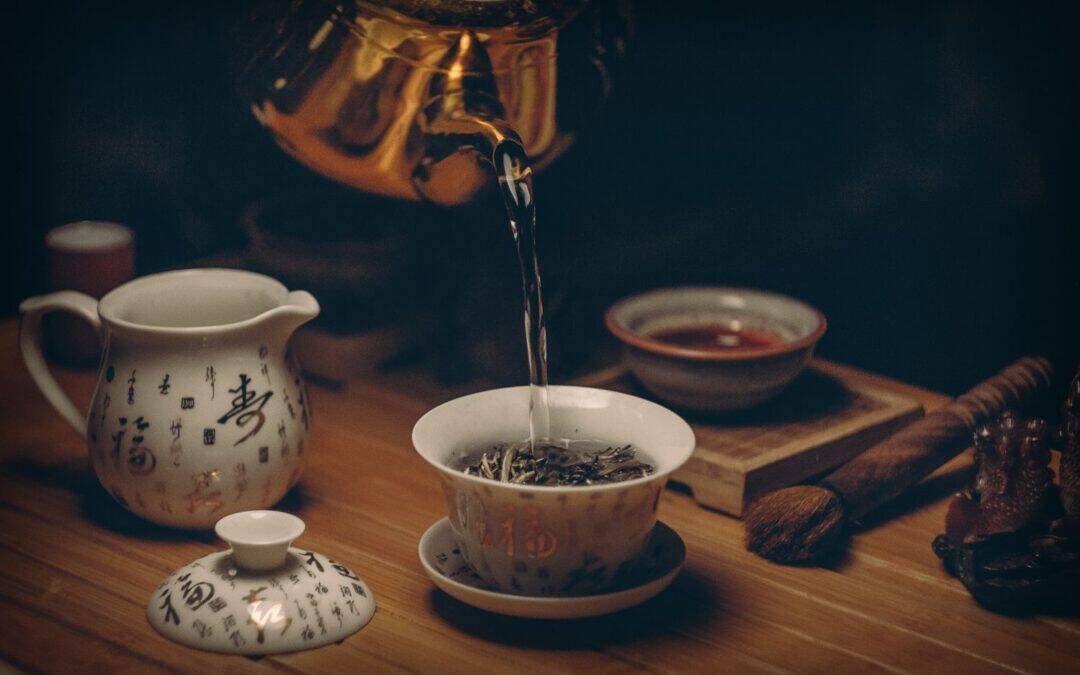
We stopped for a tea tasting and tea snacks of dumplings and cake, and purchased freshly harvested Longjing tea directly from a farmer in the neighborhood. Buying tea at the source from a farmer who grew it is a different experience than buying it anywhere else.
Dinner that evening was cooked by He Laoshi at his home. He drove over an hour to pick up produce from his hometown of Zhuji, known internationally as the sock capital of the world. Zhuji’s Datang subdistrict is the largest hosiery production base in the world, producing approximately 25 billion pairs of socks every year and accounting for more than 70 percent of China’s output and one third of global production.
He Laoshi cooked eggs with Huai Hua Mi, known as Sophora japonica flower, which cools the Blood, stops bleeding, and clears heat from the Liver. It is used clinically for heavy menstrual bleeding, hypertension, and hemorrhoids, and it was prepared here as a simple home-cooked egg dish by someone who grew up eating it.
He Laoshi is also a Feng Shui and Ba Zi master. After dinner he gave me a Ba Zi reading, a traditional Chinese astrological and destiny analysis based on the year, month, day, and hour of birth.
Day 10: Dr. Feng and Farewell
Clinic with Dr. Feng Ninghan | Jiangxi Province Lunch | Farewell Dinner
The final clinical day.
Dr. Feng Ninghan has spent his career teaching Traditional Chinese Medicine to practitioners from China and abroad. He is warm, generous, and one of the finest teachers I encountered on the trip.
In his clinic I observed two things worth describing in detail.
The first was ginger moxibustion. Fresh ginger is grated and packed directly over inserted acupuncture needles. Moxa is shaped and placed on top of the ginger and lit. The grating is important because it expresses the ginger juice directly into the treatment area, intensifying the medicinal effect compared to sliced ginger. The heat travels through the ginger and into the tissue, warming the channels, moving stagnation, and dispersing cold and damp from the body. Ginger is anti-inflammatory and warming in its own right, and together with the moxa it creates a depth of penetrating warmth that standard moxibustion alone does not replicate.
The second was the Nine Palace System, an acupuncture method rooted in the Luo Shu magic square, the Yi Jing, and classical Chinese cosmological thought. Dr. Feng demonstrated the limb line assessment, palpating specific lines along the legs as a complete diagnostic map of the whole body. The needling technique that followed was extremely slow and deliberate, with the needle appearing to penetrate without pressure, allowing qi to accumulate before entry. The level of diagnostic and technical precision on display was genuinely outside the framework of my training. The Nine Palace System is a complete and sophisticated body of knowledge that deserves to be learned directly from Dr. Feng and his lineage.
Lunch was Jiangxi province cuisine, a regional tradition known for its ceramics, its rice noodles, and its bold use of spice, with a heat and complexity distinct from the Hangzhou food we had been eating all week.
The farewell dinner that evening brought the full group together for the last time. Ten days is enough time to build real collegial relationships, and leaving was harder than expected.
What I Brought Home
Ten days in Hangzhou clarified a few things I want to share with every patient I see.
The first is about food. What you eat every day, how it is prepared, how warm it is, and what season it comes from is one of the most powerful clinical interventions available to you. It is also the one most consistently overlooked in Western medicine. The breakfast we were served every morning at our hotel was not a special diet. It was just what people eat in a culture that has never separated food from medicine. I came home wanting to have that conversation more directly and more specifically with every patient I see.
The second is about your environment. Dr. Zhou Feifei, one of China’s most experienced fertility specialists, named environmental toxins as the first driver of the infertility epidemic. All of her patients eat and store food in glass containers, not as a wellness trend but as a clinical protocol based on the research on endocrine disrupting chemicals and their impact on hormonal health. If you are navigating hormonal issues, fertility challenges, or endometriosis, this is a conversation worth having.
The third is about movement. Every morning in Hangzhou people moved before they did anything else. It was not optional and it was not remarkable. It was simply how the day started. Movement as a daily practice that keeps qi and blood circulating, supports hormonal regulation, and protects long-term vitality is what I want to bring more consistently into the recommendations I make to patients.
The fourth is about menopause. Dr. Zhang reframed something I want every patient in the menopausal transition to hear: menopause is not an ending but a transformation, a time to conserve and redirect life energy inward. The fear of aging itself causes qi and blood stagnation and compounds the difficulty of the transition. Her clinical guidance was direct: sleep, rest, let go, and protect your yang energy by covering your neck, your waist, your upper back, and your feet from wind and cold. These are not soft suggestions. They are clinical interventions for a body in transition, and TCM offers a more empowering framework for this transition than the Western narrative of deficiency and loss.
The fifth is about the postpartum period. What happens in the first 42 days after birth matters enormously, not just for immediate recovery but for hormonal health, mental health, and a mother’s vitality for years to come. The Zuo Yue Zi model is not culturally specific. The principles of warmth, nourishment, rest, and dedicated support apply to every new mother regardless of background, and this is a conversation I now have with every postpartum patient from the very first visit.
Everything I observed in Hangzhou informs the care I bring into every session at City Pulse. If something here resonated and you want to talk about how it applies to you specifically, that is exactly what I am here for.
Questions about how any of this applies to your care?
I am accepting new patients for fertility support, endometriosis management, hormonal health, postpartum care, and general wellness.