If you have been diagnosed with PCOS, you may have recently seen headlines announcing that the name is changing. In May 2026, a global consensus published in The Lancet officially renamed polycystic ovary syndrome to polyendocrine metabolic ovarian syndrome, or PMOS. This is not a new condition. It is the same condition with a name that finally comes closer to describing what is actually happening in the body.
As a fertility acupuncturist who has been working with PCOS patients for fifteen years, I have a few thoughts about what this means, and one significant critique of the new name that I think is worth sharing.
Why Was PCOS Renamed?
The name polycystic ovary syndrome was always a poor description of this condition. It implied that ovarian cysts were the central feature, but many people with PCOS never develop cysts at all. What looked like cysts on ultrasound were actually arrested follicles, not pathological cysts. The name led to diagnostic delays in up to 70 percent of people with the condition and caused both patients and some practitioners to focus narrowly on the ovaries while missing the much bigger metabolic and hormonal picture.
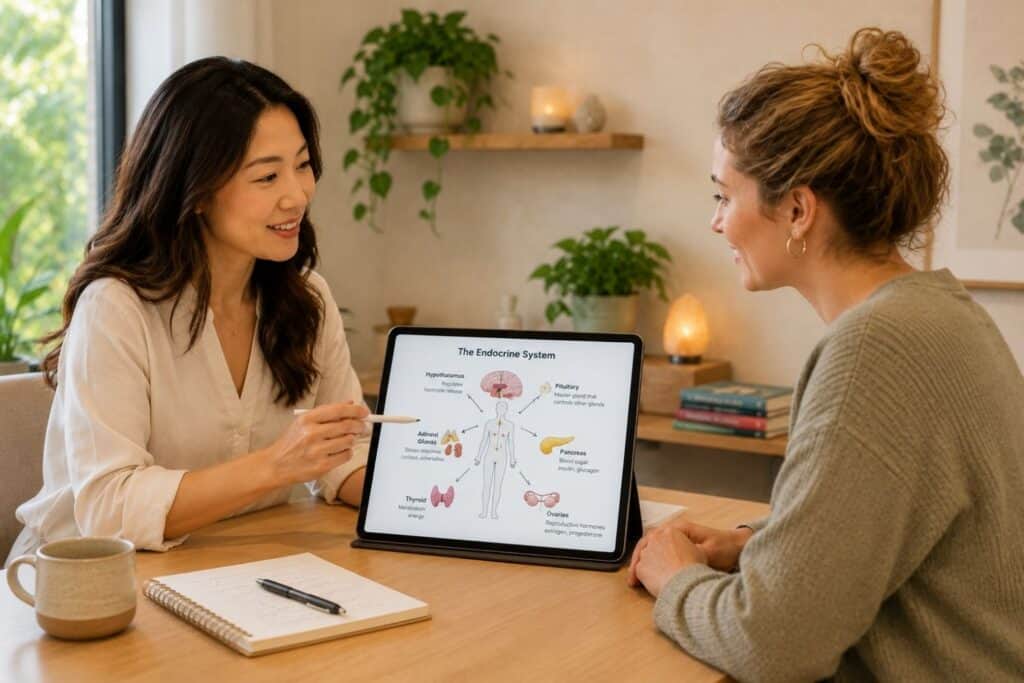
PMOS, polyendocrine metabolic ovarian syndrome, is meant to correct that. Each word tells you something useful:
• Polyendocrine: multiple hormone systems are involved, including insulin, androgens, and neuroendocrine pathways
• Metabolic: insulin resistance, blood sugar regulation, inflammation, and long-term cardiometabolic health are part of the picture
• Ovarian: ovarian function, follicle development, androgen production, and ovulation are affected
• Syndrome: a pattern of symptoms that looks different from person to person
The name change came after fourteen years of global collaboration, more than 22,000 survey responses from patients and health professionals, and involvement from over fifty patient and professional organizations including the Endocrine Society. This was not a rebrand. It was a long-overdue scientific correction.
A Note on the New Name: My Clinical Perspective
I want to be direct about something. I think PMOS is a more accurate name than PCOS and I support the intent behind the change. But I also think the word “ovarian” still limits us in an important way.
The Lancet consensus itself acknowledges emerging research suggesting a male phenotype of this condition, with fathers and brothers of people with PCOS showing similar patterns of insulin resistance, elevated androgens, and metabolic dysregulation. If this condition can present in people without ovaries, naming it “ovarian syndrome” is still not quite right.
My own suggestion, for what it is worth, would be Polyendocrine Metabolic Oversecretion Syndrome. The “oversecretion” captures the central mechanism, excess androgen and insulin production, without anchoring the name to a specific anatomy. It would also make the condition more inclusive of everyone it actually affects. The researchers who led the consensus process acknowledged this critique in their reply correspondence in The Lancet. They chose “ovarian” because it reflects functional abnormalities integral to the current diagnostic criteria. That is a reasonable position. I just think we may need to revisit it as the science evolves.
For now, PMOS is the name. And it is meaningfully better than what we had.
Common PCOS/PMOS Challenges I See in Clinical Practice
Most of my PCOS and PMOS patients come in frustrated, having dealt with irregular periods for years, sometimes decades, and they cannot figure out when they are ovulating or when to time intercourse. They have tried conventional OPK tests and gotten confusing results. They have been told to lose weight without being given any real tools to understand why their body is resisting. And they feel dismissed.
Here is something important that most patients do not know: conventional OPK tests often do not work reliably for people with PMOS. This is because PMOS is associated with chronically elevated LH levels. Since OPK tests detect an LH surge, they can give false positives throughout the cycle rather than identifying the true ovulatory surge. This leaves patients confused about when ovulation is actually happening and unable to time conception accurately.
There are better options. The Inito monitor measures not just LH but also estrogen and progesterone metabolites, giving a much clearer picture of the full hormonal cycle rather than a single data point. Basal body temperature tracking alongside LH testing can also help confirm ovulation retrospectively. If you have been frustrated by OPK results, this is worth knowing.
What PMOS Actually Involves
PMOS is a whole-body condition. The most common symptoms my patients report include:
• Irregular periods or long cycles
• Difficulty tracking ovulation
• Acne, particularly on the chin and jaw
• Excess facial or body hair
• Thinning hair on the scalp
• Difficulty losing or maintaining weight despite significant effort
• Blood sugar crashes, cravings, and energy fluctuations
• Fatigue
• Mood changes, anxiety, and depression
• Fertility challenges
Not every person with PMOS has every symptom. The condition is a spectrum and it looks different from person to person. This is part of why a name that reflects the whole body rather than one organ is so important.
The metabolic piece is particularly worth understanding. Insulin resistance is present in a significant proportion of people with PMOS and it creates a self-reinforcing cycle: excess insulin stimulates the ovaries to produce more androgens, and excess androgens worsen insulin resistance. This loop affects ovulation, weight regulation, skin symptoms, energy, and mood simultaneously. Supporting insulin sensitivity is one of the most meaningful things a person with PMOS can do for their overall health.
How TCM and Acupuncture May Support PMOS
Acupuncture does not replace medical diagnosis or care. If you think you may have PMOS, please work with your physician, gynecologist, or endocrinologist for proper evaluation and management.
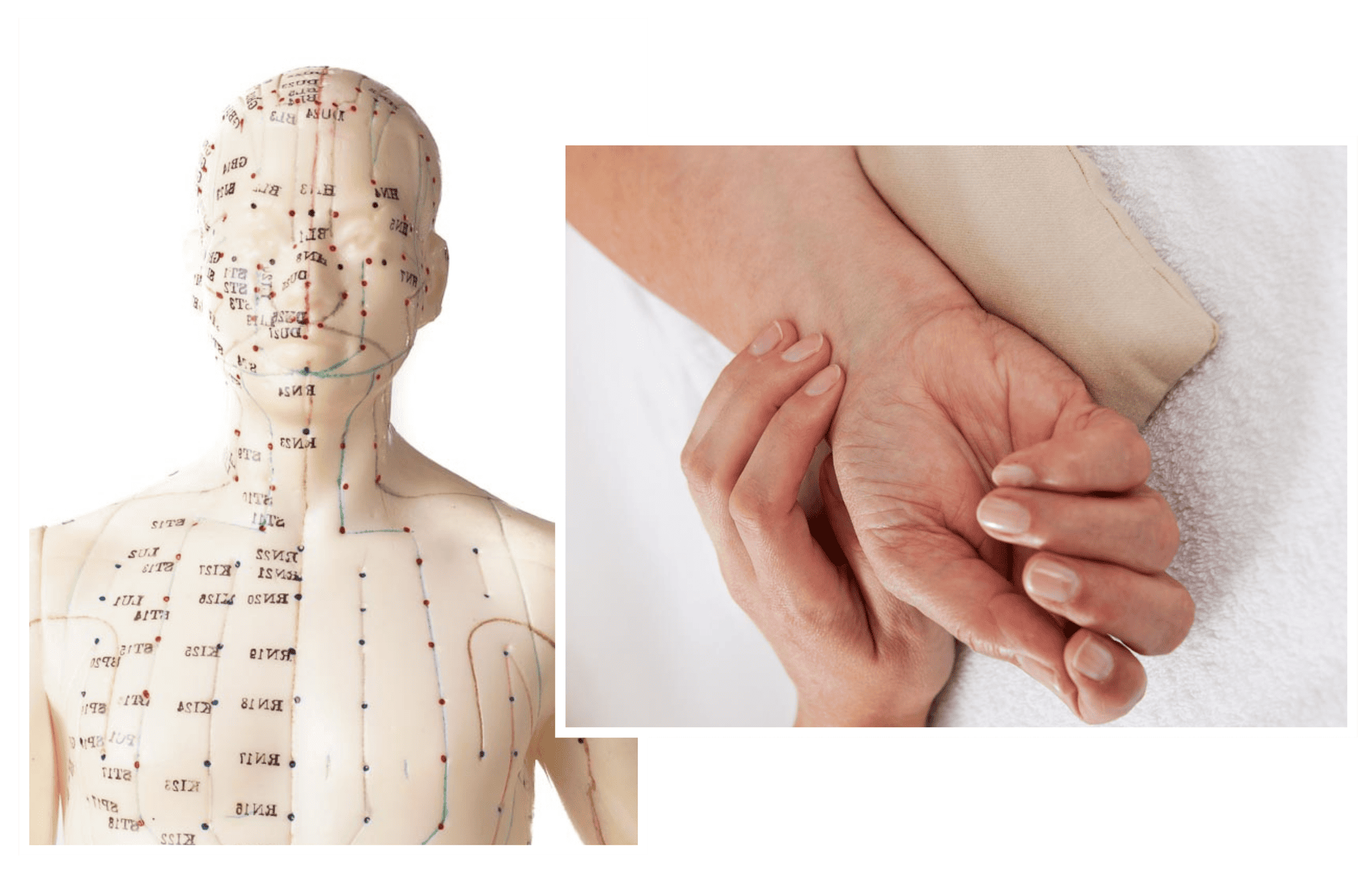
That said, TCM has a long clinical history with the constellation of symptoms that PMOS describes. In Traditional Chinese Medicine, irregular cycles, anovulation, weight difficulty, and hormonal dysregulation are most commonly associated with Kidney deficiency, Spleen qi deficiency with dampness and phlegm accumulation, and Liver qi stagnation. These patterns overlap significantly with what Western medicine now understands about insulin resistance, androgen excess, and the hypothalamic-pituitary-ovarian axis disruption in PMOS.
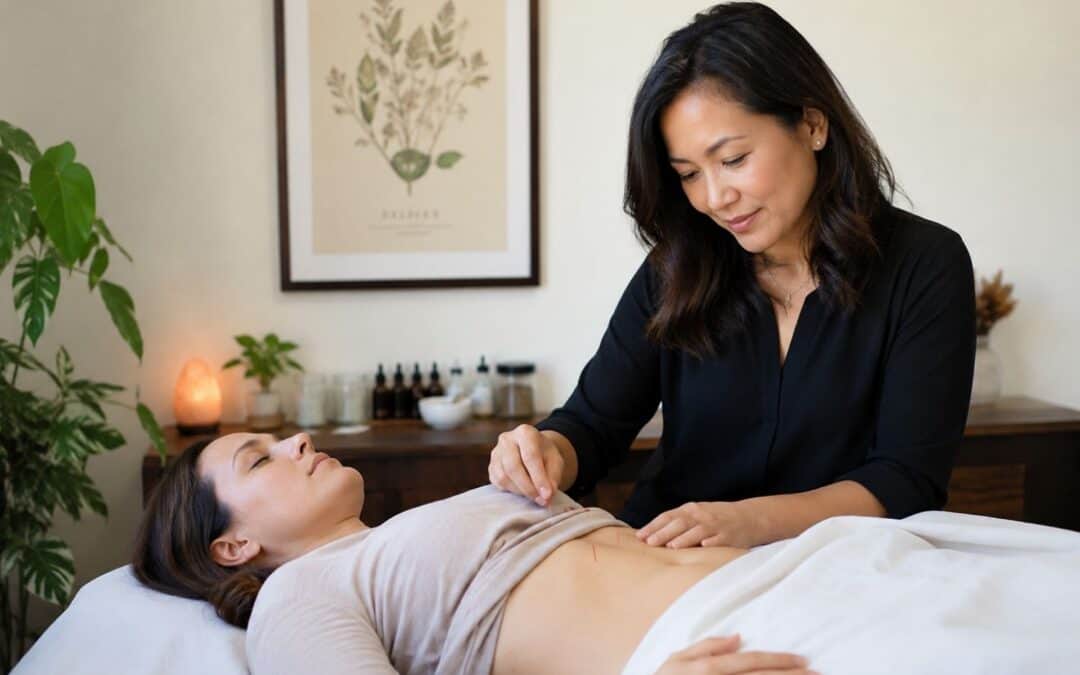
In my practice, acupuncture for PMOS patients is focused on:
• Regulating the menstrual cycle and supporting more consistent ovulation
• Improving the clarity of the ovulatory signal so patients can track their cycles more reliably
• Supporting the metabolic picture through points that influence insulin sensitivity and reduce systemic inflammation
• Addressing the stress and anxiety that both drive and result from living with a chronic hormonal condition
• Supporting fertility when conception is the goal, including timing guidance that accounts for the irregular cycles common in PMOS
Herbal medicine, dietary guidance, and targeted supplementation are also meaningful parts of a Whole Systems TCM approach to PMOS. The dietary recommendations from TCM for this condition, warm cooked foods, reduced refined sugar and cold foods, adequate protein, and specific foods that support Spleen function, align closely with what Western medicine recommends for insulin resistance management.
I also want to acknowledge something my patients often say: they have felt dismissed by conventional medicine. They have been told their labs are normal, that they just need to lose weight, or that birth control is the only option. If that resonates, I want you to know that there is a more comprehensive framework available, one that takes the full picture of your health seriously rather than managing individual symptoms in isolation.
What to Do If You Think You Have PMOS
If you have been diagnosed with PCOS or think you may have PMOS:
• Talk with your medical provider about the name change and what it means for your care
• Ask specifically about insulin resistance, glucose regulation, and androgen levels if those have not been evaluated
• Consider a more comprehensive ovulation tracking method if conventional OPKs have been unreliable
• Track your cycles and symptoms as consistently as you can
• If stress, irregular cycles, weight, fertility concerns, or hormone symptoms are part of your picture, consider whether integrative support may be helpful
If you would like to talk about whether acupuncture and TCM may be a useful part of your care plan, I would love to hear from you.
Book a consultation at City Pulse Acupuncture in Oakland
Frequently Asked Questions
Is PMOS the same thing as PCOS?
Yes. PMOS is the updated name for the condition long known as PCOS. If you have been diagnosed with PCOS, your diagnosis has not changed.
Why did PCOS change to PMOS?
The name PCOS focused too much on ovarian cysts, which are not actually a defining feature of the condition. PMOS better reflects the endocrine, metabolic, and ovarian aspects of what is actually happening in the body.
Do OPK tests work if I have PMOS?
Conventional OPK tests are often unreliable for people with PMOS because of chronically elevated LH levels. A monitor that tracks multiple hormones, such as Inito, or a combination of basal body temperature and LH testing, tends to give a more accurate picture.
Can acupuncture help with PMOS?
Acupuncture may be used as part of a supportive care plan for cycle regulation, ovulation support, stress, fertility concerns, and whole-body hormone health. It should not replace medical diagnosis or care from a qualified provider.
Does PMOS always affect fertility?
Not always. Some people with PMOS have fertility challenges while others do not. PMOS can also affect cycles, skin, hair, metabolism, mood, and long-term health independent of fertility concerns.