
If you’re trying to conceive after age 35 or 40, you may be wondering how age affects your fertility and whether there are steps you can take to improve your chances of pregnancy. While fertility naturally changes over time, many people conceive in their late 30s and early 40s, either naturally or with fertility treatment.
Understanding how fertility changes with age can help you make informed decisions about family planning, testing, and when to seek additional support. Your age is an important part of the picture, but it is only one of many factors that influence your fertility.
Whether you’re just beginning to think about pregnancy or have been trying to conceive for several months, knowing what to expect can help you move forward with confidence.
How Does Fertility Change After Age 35?
Fertility gradually changes with age because both the number and quality of your eggs naturally decline over time. These changes happen slowly throughout your reproductive years and become more noticeable after age 35.
While every person’s fertility journey is different, age may affect:
| As You Get Older | What It May Mean |
| Egg quantity | Fewer eggs remain in your ovaries. |
| Egg quality | Chromosomal changes become more common. |
| Time to conception | Pregnancy may take longer to achieve. |
| Miscarriage risk | The likelihood of miscarriage gradually increases. |
| Response to fertility treatment | IVF outcomes may change with age. |
These changes happen at different rates for different people. Some people maintain good fertility into their late 30s or early 40s, while others notice changes sooner.
Can You Get Pregnant After 35 or 40?
Many people become pregnant after age 35 and even after age 40.
Although fertility declines with age, a birthday alone does not determine whether you can conceive. Your menstrual cycle, ovulation, egg quality, sperm health, overall health, and any underlying medical conditions all contribute to your fertility.
Why Does Age Affect Fertility?
Age affects fertility because you’re born with all of the eggs you’ll have throughout your lifetime. As you get older, both the number of remaining eggs and the likelihood of chromosomal changes naturally increase.
These age-related changes may affect:
- Fertilization
- Embryo development
- Implantation
- Pregnancy outcomes
Even so, age does not tell the whole story. Many healthy pregnancies occur after age 35 and 40, and fertility varies from person to person.
Should You Have Fertility Testing After 35?
Fertility testing may help you better understand your reproductive health if you’re over 35 and trying to conceive or planning for pregnancy.
Your healthcare provider may recommend testing such as:
| Fertility Test | Why It May Be Recommended |
| AMH | Estimates ovarian reserve |
| Antral follicle count (AFC) | Evaluates developing follicles within the ovaries |
| Follicle-stimulating hormone (FSH) | Assesses ovarian function |
| Estradiol | Helps interpret other hormone testing |
| Pelvic ultrasound | Evaluates the uterus and ovaries |
These tests provide useful information, but no single test can predict whether you will become pregnant. Your results should always be interpreted alongside your age, menstrual history, symptoms, and fertility goals.
When Should You See a Fertility Specialist?
If you’re over 35, most fertility specialists recommend scheduling an evaluation after six months of trying to conceive without success. If you’re over 40, you may benefit from an evaluation even sooner.
You should also consider seeking fertility care if you:
- Have irregular or absent menstrual cycles
- Have experienced recurrent miscarriage
- Have been diagnosed with endometriosis or PCOS
- Have had previous ovarian surgery
- Are considering IVF or another form of assisted reproductive technology
- Want to understand your fertility before trying to conceive
Seeking care earlier can provide more time to explore your options and develop a plan that fits your goals.
What Can You Do to Support Fertility After 35?
While you cannot stop the natural aging process, you can support your fertility by focusing on habits that promote your total health.
Healthy lifestyle choices include:
Eating a Balanced Diet
Choose a variety of fruits, vegetables, whole grains, lean proteins, legumes, nuts, seeds, and healthy fats. A well-balanced diet provides nutrients that support your overall health as you prepare for pregnancy.
Staying Physically Active
Regular exercise supports cardiovascular health, circulation, hormone function, and stress management. Moderate activity is appropriate for most people unless your healthcare provider recommends otherwise.
Prioritizing Sleep
Consistent, restorative sleep supports hormone regulation and general well-being.
Managing Stress
Trying to conceive can be emotionally challenging, especially if your timeline feels uncertain. While stress does not cause infertility, finding healthy ways to manage stress may support your psychological wellness throughout your fertility journey.
Working With Your Healthcare Team
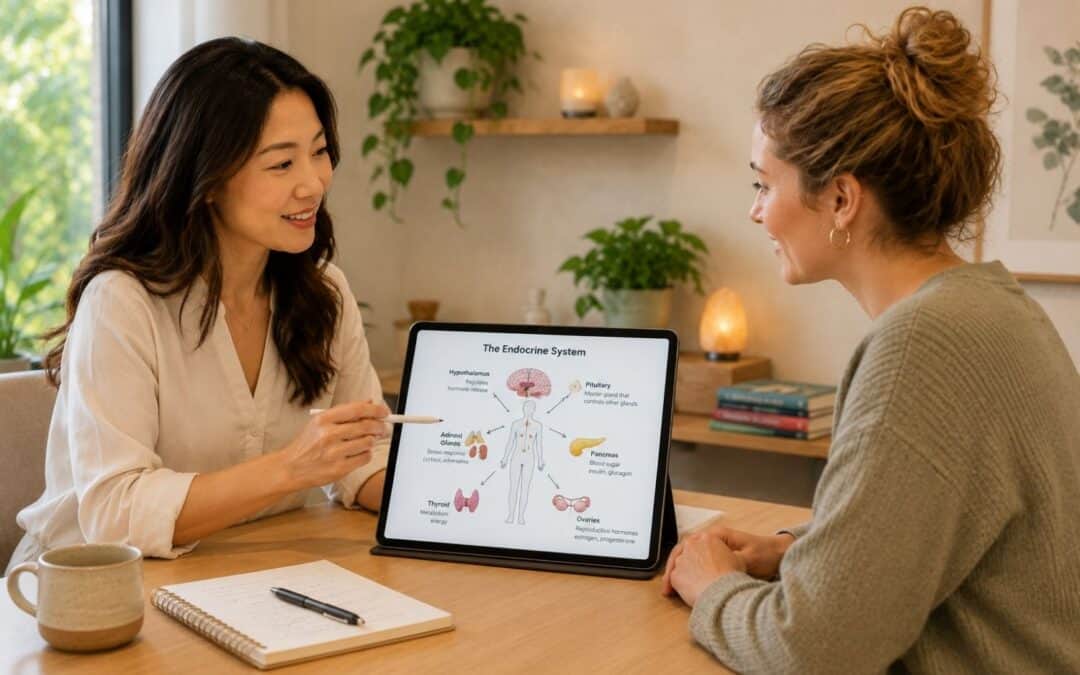
Your reproductive endocrinologist, OB-GYN, primary care provider, and other healthcare professionals can help you understand your fertility and recommend care based on your individual needs.
Can Fertility Acupuncture Support Fertility After 35?
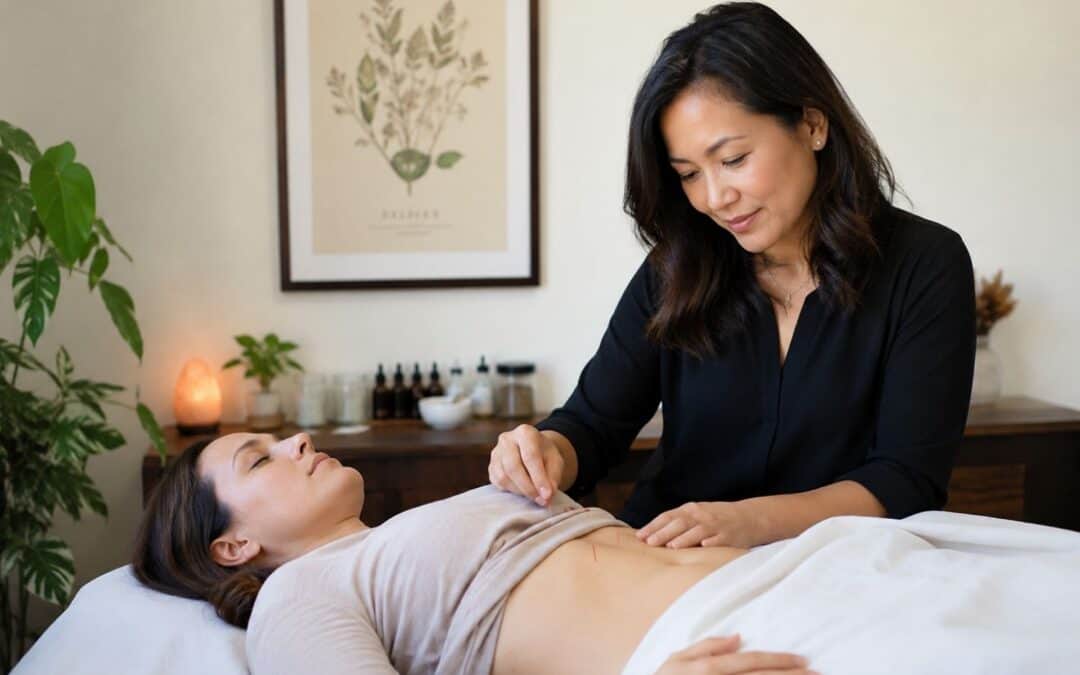
Fertility acupuncture may support your reproductive health as part of a comprehensive fertility care plan.
Many people choose acupuncture after age 35 because they want additional support while trying to conceive without assistance or preparing for IVF. Your treatment recommendations are based on your individual needs rather than your age alone.
| If Your Goal Is… | Fertility Acupuncture May Help By… |
| Preparing for pregnancy | Supporting your overall health before conception |
| Preparing for IVF | Complementing your fertility treatment plan |
| Managing stress | Supporting nervous system regulation during your fertility journey |
| Supporting whole-body health | Addressing factors such as sleep, digestion, and stress that may influence fertility |
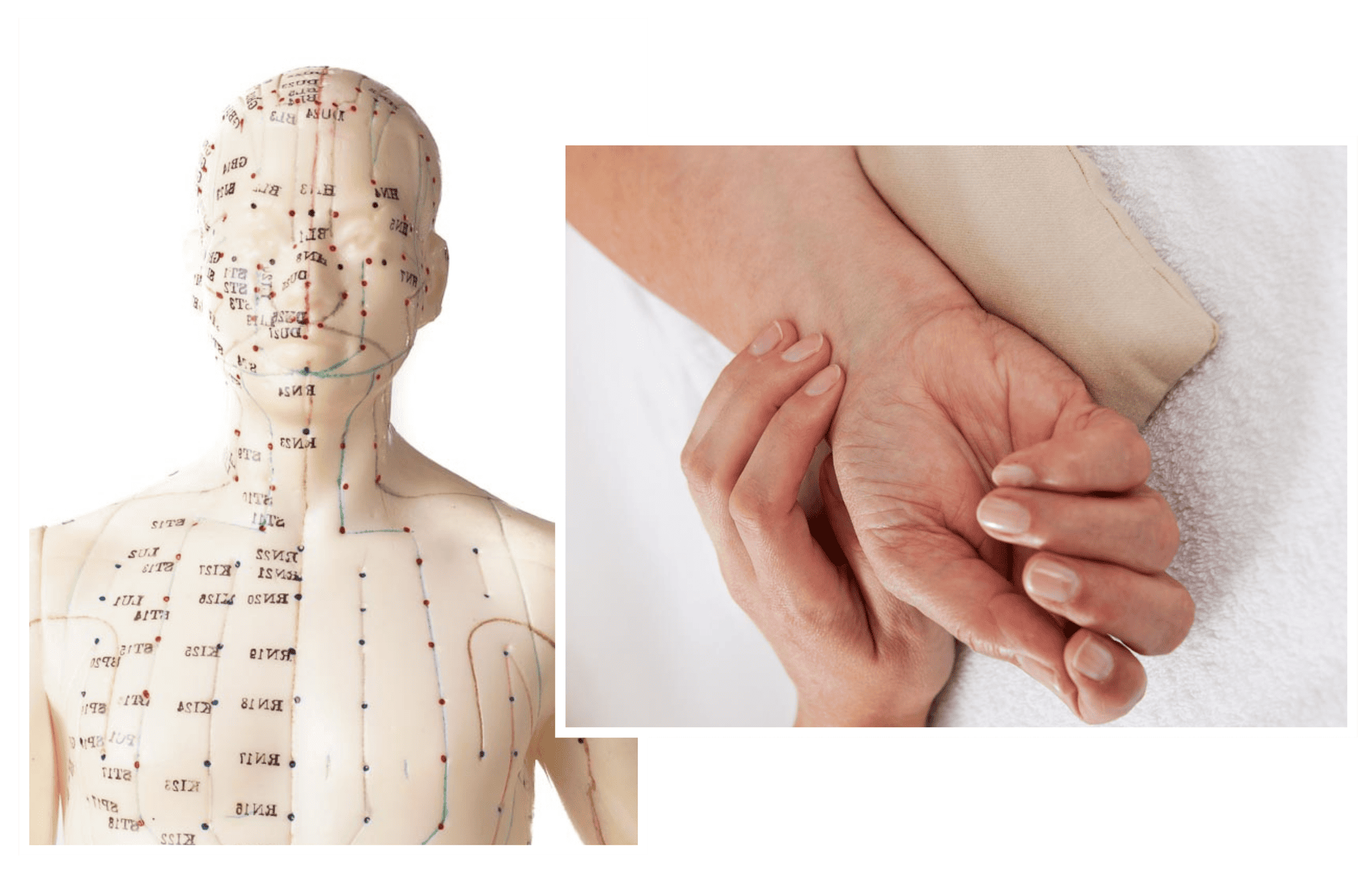
Traditional Chinese Medicine considers many aspects of your health rather than focusing only on your age. While acupuncture cannot reverse age-related changes or guarantee pregnancy, many people include it as part of an integrative approach to fertility care.
Looking for Fertility Support After 35?
City Pulse Acupuncture provides compassionate care for people at every stage of their journey, from planning for pregnancy to IVF support. Dr. Rachel takes the time to understand your health history, concerns, and goals so your care reflects your unique needs rather than a one-size-fits-all approach.
If you’re ready to explore personalized fertility support, schedule an appointment with City Pulse Acupuncture to learn how acupuncture may complement your overall fertility plan.
Frequently Asked Questions About Fertility After 35 and 40
Is it harder to get pregnant after 35?
Fertility gradually declines with age so that pregnancy may take longer to achieve after age 35. Many people still conceive naturally, while others benefit from fertility evaluation or treatment.
Can you get pregnant naturally after 40?
Yes. Natural pregnancy is still possible after 40, although fertility is generally lower than it is in earlier reproductive years. Your healthcare provider can help you understand your individual fertility based on your health history and testing.
Should I have fertility testing before trying to conceive?
If you’re over 35 and planning a pregnancy, fertility testing may provide helpful information about your reproductive health, particularly if you have irregular cycles, previous fertility concerns, or other risk factors.
Is IVF the only option after 40?
No. The best treatment depends on your age, fertility testing, medical history, and family-building goals. Some people conceive naturally, while others pursue treatments such as ovulation induction, IUI, or IVF.
Can fertility acupuncture help after age 35?
Many people choose fertility acupuncture to support their reproductive health before pregnancy or while undergoing fertility treatment. It is commonly used alongside conventional fertility care as part of a personalized, integrative approach.
Does egg freezing help if I’m over 35?
Egg freezing can preserve eggs at the quality and quantity they are at the time of freezing, so freezing sooner rather than later may offer more options down the road. It is not a guarantee of future pregnancy, and success still depends on factors like the number of eggs retrieved and your age at the time of freezing. Talking with a reproductive endocrinologist can help you understand whether it fits your specific situation and goals.
How many acupuncture sessions are typically recommended for fertility support?
The right number of sessions depends on your goals, whether you’re supporting natural conception, preparing for IVF, or managing stress during treatment. Many people begin with weekly sessions for a few months and adjust from there based on their cycle and treatment timeline. Your acupuncturist can recommend a schedule that fits your individual plan.
Does my partner’s age matter too?
Yes. Sperm quality and quantity can decline with age as well, though the changes tend to happen more gradually than they do with eggs. Fertility is rarely just one partner’s story, so a full picture usually includes both partners’ health, testing, and history rather than age alone.