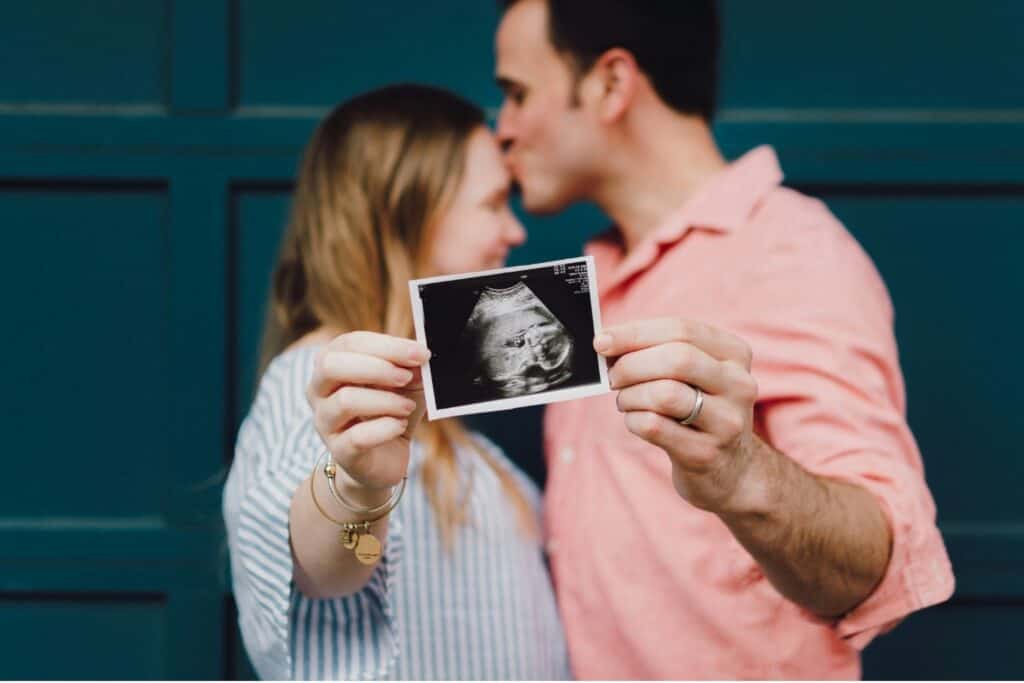
You should consider seeing a fertility specialist after 12 months of trying to conceive if you are under 35, after six months if you are 35 or older, or sooner if you have irregular periods, recurrent pregnancy loss, or other fertility concerns. At City Pulse Acupuncture, we work with individuals and couples to support their reproductive health through an integrative approach that combines conventional fertility care with Traditional Chinese Medicine.
What Is a Fertility Specialist?
If you’re having trouble conceiving or have concerns about your reproductive health, a fertility specialist or reproductive endocrinologist can help identify potential issues and recommend treatment options.
These specialists have advanced training in fertility testing, hormonal disorders, assisted reproductive technologies, and pregnancy planning. Their role is to identify factors that may be affecting fertility and develop a personalized treatment plan based on your unique situation.
When Should You See a Fertility Specialist?
The right time to seek evaluation depends on your age and health history.
While many healthy couples conceive without assistance within the first year, seeking evaluation at the appropriate time can help identify issues before valuable time is lost. The right timing often depends on age and individual circumstances.
At City Pulse Acupuncture, Dr. Rachel regularly works with patients who are trying to conceive without assistance, whether they are preparing for fertility treatments or navigating complex reproductive health concerns.
If You Are Under Age 35
If you have been trying to conceive through regular, unprotected intercourse for 12 months without becoming pregnant, it is generally time to schedule a fertility evaluation.
Although it is normal for conception to take several months, a year without success may indicate an underlying issue that deserves further investigation.
If You Are Age 35 or Older
If you are 35 or older, fertility specialists recommend seeking evaluation after six months of trying to conceive without success.
If You Are Over Age 40
If you are over 40 and hoping to conceive, many experts recommend consulting a fertility specialist as soon as you begin trying.
Fertility potential can decline significantly after age 40, making early evaluation especially important.
What Are the Signs You Should See a Fertility Specialist Sooner?
You may benefit from seeing a fertility specialist before the recommended timelines if you have symptoms, medical conditions, or reproductive health concerns that could affect fertility.
Certain factors can make conception more difficult regardless of age or how long you have been trying to become pregnant.
Are Irregular or Absent Periods a Sign of Fertility Problems?
Yes. If your periods are irregular, infrequent, or absent, you may not be ovulating regularly, which can make it more difficult to become pregnant.
You should consider speaking with a fertility specialist if you experience:
- Cycles longer than 35 days
- Cycles shorter than 21 days
- Frequently missed periods
- No menstrual periods
- Extremely painful periods
- Very heavy menstrual bleeding
Conditions such as polycystic ovary syndrome (PCOS) and hormonal imbalances are common causes of irregular ovulation and may require medical treatment.
Fertility acupuncture is commonly used to support menstrual cycle regulation and reproductive health. In Traditional Chinese Medicine, treatment plans are individualized based on your symptoms, cycle patterns, and overall health history.
Should You See a Fertility Specialist If You Have PCOS or Endometriosis?
Yes. Conditions such as PCOS and endometriosis can significantly impact fertility and often warrant earlier evaluation.
Other conditions that may affect fertility include:
- Uterine fibroids
- Pelvic inflammatory disease
- Thyroid disorders
- Autoimmune conditions
- Structural abnormalities of the reproductive system
Early diagnosis and treatment can help improve reproductive outcomes.
Does a History of Miscarriage Mean You Should See a Fertility Specialist?
Yes, especially if you have experienced recurrent pregnancy loss.
While a single miscarriage is relatively common, multiple miscarriages may indicate underlying genetic, hormonal, anatomical, or immune-related factors that require evaluation.
A fertility specialist can perform testing to identify possible causes and discuss treatment options.
Should Men See a Fertility Specialist Too?
Absolutely. Male-factor infertility contributes to approximately one-third of infertility cases.
Men should consider fertility evaluation if they have:
- A history of low sperm count
- Erectile dysfunction
- Ejaculation disorders
- Previous testicular injury
- Hormonal imbalances
- Prior chemotherapy or radiation treatment
- Genetic conditions affecting fertility
Many fertility clinics evaluate both partners to provide the most accurate diagnosis and treatment plan.
Can Previous Cancer Treatment Affect Fertility?
Yes. Certain cancer treatments can impact fertility in both men and women.
Chemotherapy, radiation therapy, and some surgeries may affect reproductive function. Anyone with a history of cancer treatment who wants to have children should consider consulting a fertility specialist, even before actively trying to conceive.
Could Age Be Affecting Your Fertility?
Yes. Age is one of the most important factors affecting fertility for both women and men.
As people get older, reproductive function naturally changes, which can make conception more difficult and increase certain pregnancy risks.
How Does Age Affect Female Fertility?
Female fertility gradually declines with age, particularly after age 35.
Women are born with a finite number of eggs, and both egg quantity and egg quality decrease over time. This decline can lead to:
- Longer time to conception
- Increased miscarriage risk
- Higher risk of chromosomal abnormalities
- Reduced success rates with fertility treatments
Because of these factors, earlier fertility evaluation is often recommended for women in their mid-to-late 30s and beyond.
How Does Age Affect Male Fertility?
Male fertility can also decline with age, although the changes tend to be more gradual.
Advancing paternal age may affect:
- Sperm quality
- Sperm motility
- DNA integrity
- Fertility treatment outcomes
Older paternal age has also been associated with certain pregnancy and developmental risks.
What Happens During Your First Fertility Consultation?
Your first fertility consultation typically includes a review of your medical history, fertility testing, and a discussion of potential treatment options.
The goal is to identify factors that may be affecting fertility and create a personalized plan moving forward.
What Medical Information Will a Fertility Specialist Review?
During your appointment, your provider may ask about:
- Menstrual history
- Previous pregnancies
- Miscarriages
- Medical conditions
- Medications
- Lifestyle factors
- Family reproductive history
Providing accurate information helps guide the evaluation process.
What Fertility Tests Might Be Recommended?
Testing varies based on individual circumstances but may include:
- Hormone blood tests
- Ovulation assessment
- Pelvic ultrasound
- Ovarian reserve testing
- Semen analysis
- Imaging of the uterus and fallopian tubes
These tests help provide a complete picture of reproductive health.
What Treatment Options Might Be Discussed?
Treatment recommendations depend on the underlying cause of infertility.
Possible options include:
- Lifestyle modifications
- Ovulation induction medications
- Intrauterine insemination (IUI)
- In vitro fertilization (IVF)
- Surgical treatment for reproductive conditions
- Additional specialty referrals
Your fertility specialist will recommend the most appropriate approach based on your diagnosis and goals.
How Can Acupuncture Support Fertility?
Many individuals and couples choose to combine conventional fertility care with fertility acupuncture and Traditional Chinese Medicine.
Fertility acupuncture may help support reproductive wellness by:
- Supporting healthy menstrual cycles
- Encouraging regular ovulation
- Helping manage stress during the fertility journey
- Supporting patients undergoing IUI or IVF
- Promoting overall wellness before conception
At City Pulse Acupuncture, treatment plans are personalized based on your health history, fertility goals, and where you are in your family-building journey.
Can Lifestyle Factors Affect Fertility?
Yes. Your daily habits and overall health can influence your fertility and may affect how quickly you’re able to conceive.
While lifestyle factors are not always the primary cause of infertility, addressing them may improve overall fertility and support treatment success.
What Lifestyle Factors Can Impact Fertility?
Several factors may influence your fertility, including:
- Smoking
- Excessive alcohol use
- Obesity
- Being underweight
- Poor nutrition
- Chronic stress
- Environmental toxin exposure
A fertility specialist can provide personalized recommendations to help optimize reproductive health.
Is It Ever Too Early to See a Fertility Specialist?
No. A fertility consultation is not only for people experiencing infertility. Many individuals use fertility services for education, family planning, and fertility preservation.
Some couples choose to seek fertility support even before actively trying to conceive. This may include consulting a specialist to discuss reproductive health and future family-building goals, or working with a fertility acupuncturist as part of a preconception care plan. Preconception care can provide an opportunity to focus on overall health, cycle awareness, and reproductive wellness before pregnancy becomes a goal.
You may choose to see a fertility specialist if you are interested in:
- Preconception planning
- Egg freezing
- Sperm freezing
- Understanding age-related fertility risks
- Exploring future family-building options
Early information can help you make informed decisions about your reproductive future.
Why Is Early Fertility Evaluation Important?
Early fertility evaluation can identify potential issues before they become more difficult to treat.
Prompt assessment may:
- Reduce delays in diagnosis
- Expand treatment options
- Improve pregnancy outcomes
- Decrease emotional stress
- Provide greater clarity about reproductive health
For many individuals and couples, an early consultation offers reassurance and a clear path forward.
Final Thoughts: When Should You See a Fertility Specialist?
Fertility challenges are common and often treatable. Seeking expert guidance early can help identify the underlying cause, provide access to appropriate treatment options, and support your family-building goals. Whether you are actively trying to conceive or planning for the future, a fertility specialist can help you better understand your reproductive health and next steps.
Schedule an Appointment at City Pulse Acupuncture
City Pulse Acupuncture offers fertility acupuncture, prenatal acupuncture, and comprehensive reproductive wellness care in Oakland. Dr. Rachel works closely with patients at every stage of the process, from preconception planning and natural conception to IVF support, pregnancy, and postpartum recovery.
Whether you are just beginning to explore your options or have been trying to conceive for some time, schedule an appointment to learn how an individualized treatment plan may support your reproductive health goals.
Frequently Asked Questions About When Should You See a Fertility Specialist?
How long should I try to get pregnant before seeing a fertility specialist?
Most experts recommend seeking a fertility evaluation after 12 months of trying to conceive if you are under age 35 and after six months if you are age 35 or older. Individuals over 40 may benefit from consulting a fertility specialist immediately.
Can I see a fertility specialist even if I am not trying to get pregnant right now?
Yes.
Many people consult fertility specialists for preconception planning, fertility preservation, egg freezing, sperm freezing, or to understand their future reproductive options better.
What are the most common causes of infertility?
Common causes include ovulation disorders, PCOS, endometriosis, blocked fallopian tubes, thyroid disorders, low sperm count, hormonal imbalances, and age-related fertility decline.
What tests does a fertility specialist perform?
A fertility evaluation may include hormone testing, ovarian reserve testing, ultrasounds, semen analysis, ovulation tracking, and imaging studies to assess reproductive anatomy.
Does seeing a fertility specialist automatically mean I will need IVF?
No.
Many fertility concerns can be successfully treated with lifestyle changes, medications, or less invasive treatments such as IUI. IVF is only one of several treatment options and may not be necessary depending on your diagnosis.
Can I receive fertility acupuncture while undergoing IVF or IUI?
Yes. Many patients choose to receive fertility acupuncture before, during, and after fertility treatments. Fertility acupuncture is often used as part of an integrative approach to reproductive care alongside treatment from a fertility specialist.