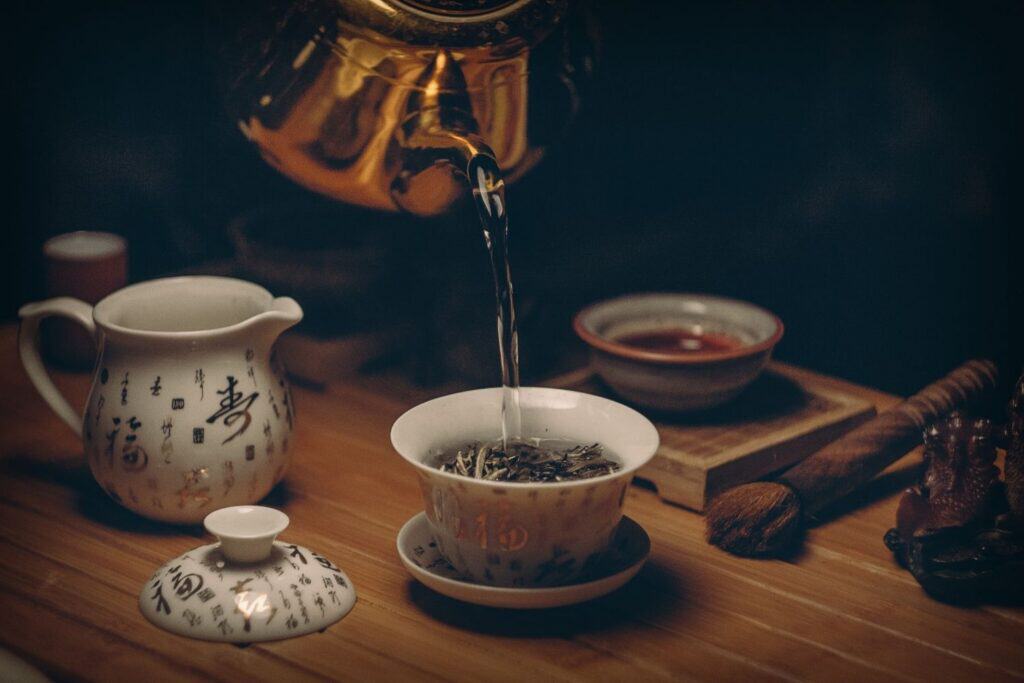
If you are trying to conceive, fertility tea may seem like a simple way to add herbal support to your routine. Before you buy one, look beyond the name on the package. No standard formula exists for fertility tea, and ingredients, doses, quality, and safety can vary considerably from one product to another.
Evidence that herbal remedies improve the chances of conception is also very limited, and some products are marketed with claims that go well beyond what the research supports.
That does not mean every herbal tea is inappropriate when trying to conceive. It means the specific ingredients, your health history, your medications, and the possibility of pregnancy all need to be considered.
Here is what to know before choosing a fertility tea.
What Is Fertility Tea?
Natural fertility tea is generally a blend of herbs marketed to people who are trying to conceive, but the term does not refer to a standardized medical treatment or specific herbal formula.
These tea blends can vary considerably, with some containing only a few herbs and others containing a long list of botanicals. Some are promoted for menstrual cycles, ovulation, hormone balance, uterine health, or to support reproductive health. These descriptions can make different products sound similar even when their formulas are very different.
Herbal products may also be sold as dietary supplements. Unlike prescription and over-the-counter medications, dietary supplements are not reviewed by the FDA for safety and effectiveness before they reach the market.
Which Herbs Are Commonly Found in Fertility Tea?
Certain herbs, including chasteberry, stinging nettle, ashwagandha, and raspberry leaf tea, are commonly found in fertility teas, but the clinical evidence for their efficacy in improving fertility is often limited. While these herbs may be marketed to support fertility, claims that they may improve the chances of conception should be viewed carefully.
Chasteberry may be promoted for menstrual and fertility concerns, but there is not enough reliable evidence to show that it improves infertility.
Ashwagandha has limited evidence of potential benefits for sperm quality in men, but there is not enough evidence to support its use for female infertility, and it should be avoided during pregnancy.
Stinging nettle is found in some herbal products, but evidence supporting its use for fertility is limited.
Raspberry leaf tea is often associated with reproductive health and pregnancy, but there is limited clinical evidence that it improves fertility.
Anecdotal evidence and personal experiences should not be treated as proof that an herb is safe or effective for conception.
Does Fertility Tea Actually Help You Get Pregnant?
Natural fertility teas have not been shown to reliably increase the chance of pregnancy simply because they contain herbs associated with reproductive health. Research on many botanicals used for fertility is limited. The American Society for Reproductive Medicine reports that there is little evidence that herbal remedies improve fertility in women without ovulatory dysfunction.
A fertility tea should not be considered a treatment for infertility or a substitute for appropriate medical evaluation.
When evaluating a product, be cautious with claims such as:
- “Boosts fertility”
- “Balances hormones” without explaining which hormones or providing evidence
- “Improves egg quality“
- “Regulates ovulation”
- “Increases implantation”
- “Treats infertility”
- “Guaranteed to help you conceive”
The FDA has specifically taken action against companies selling supplements with unsupported claims that their products treat infertility or reproductive health conditions.
A more useful question is not, “Is this a fertility herb?” but, “Is this specific herb appropriate for me right now?”
What Should You Look for in a Fertility Tea?
Natural ingredients still need to be evaluated for safety, especially when pregnancy is possible. The National Center for Complementary and Integrative Health advises consumers that “natural” does not automatically mean safe and notes that herbs can interact with medications or create risks for people with certain health conditions.
When reviewing fertility tea ingredients, consider the safety, amount, and purpose of each herb rather than relying on the product name or marketing claims. Some ingredients commonly associated with reproductive or women’s health products deserve particular attention.
| Ingredient or product feature | What to consider |
| Chasteberry or vitex | Chasteberry is promoted for infertility and menstrual concerns, but there is not enough reliable evidence to determine whether it improves infertility. It may also be unsafe during pregnancy and may not be appropriate for people with certain hormone-sensitive conditions. |
| Red raspberry leaf | Red raspberry leaf is often associated with pregnancy and uterine health, but evidence supporting its use during pregnancy is weak, and its safety has not been well studied. |
| Licorice root | The NIH Office of Dietary Supplements identifies licorice root among botanicals that may have adverse effects on the fetus. |
| Green tea or other caffeinated herbs | Caffeine can come from botanical ingredients as well as coffee. If pregnancy is possible, caffeine from all sources should be considered as part of your total daily intake. |
| Long proprietary blends | A blend may make it difficult to determine how much of each ingredient you are consuming. This can complicate decisions about safety, interactions, and appropriate dosing. |
This is not a complete list. An herb that is appropriate for one person may not be appropriate for another.
Is Fertility Tea Safe If You Get Pregnant?
Fertility tea is not automatically safe during pregnancy. Some herbs may need to be stopped after conception, while others have not been well studied for use in pregnancy. This makes it important to understand the safety guidance for each ingredient before adding a fertility tea to your routine.
Before starting a tea, ask:
- Should any of the ingredients be discontinued after ovulation or a positive pregnancy test?
- Are there herbs in the formula that have limited pregnancy safety data?
- Does the manufacturer provide clear guidance for use while trying to conceive?
- Could any ingredients interact with medications or supplements you are already taking?
- Have you reviewed the formula with a qualified healthcare professional?
If you are actively trying to conceive, choose products with pregnancy safety in mind from the start. That can help reduce the need to make sudden changes once you learn you are pregnant.
Can Fertility Tea Interact With Medications?
Some herbs in fertility tea may interact with other medications or supplements, even though they are considered natural products.
This deserves particular attention if you are:
- Taking prescription medications
- Using medications as part of IVF or IUI
- Taking several supplements at the same time
- Managing a hormone-sensitive medical condition
- Preparing for a procedure
- Working with a reproductive endocrinologist
- Pregnant or possibly pregnant
If you are undergoing fertility treatment, share a complete list of teas, herbs, vitamins, and supplements with your medical team. A product being available without a prescription does not automatically mean it is appropriate alongside your treatment protocol.
How Can You Tell If a Fertility Tea Is High Quality?
Natural fertility products can vary in composition and quality. NCCIH notes that supplements purchased online or in stores may differ from products studied in research and that labels do not always perfectly reflect what a product contains.
Before buying a fertility tea, look for:
- A complete ingredient list
- Clearly stated serving instructions
- Specific amounts when relevant
- A recognizable manufacturer with contact information
- Lot or batch information
- Transparent information about ingredient sourcing
- Independent testing for identity, purity, or contaminants when available
Independent testing does not prove that a fertility product works. It can provide additional information about whether the product was manufactured appropriately and contains what the label states. The NIH Office of Dietary Supplements identifies organizations such as NSF and U.S. Pharmacopeia as independent quality testing resources for dietary supplements.
What Is the Difference Between Fertility Tea and Chinese Herbal Medicine?
Fertility tea is typically a pre-formulated product made for general use, while Chinese herbal medicine is individualized based on a person’s health history, symptoms, menstrual cycle, and treatment goals.
| Fertility Tea | Chinese Herbal Medicine |
| Usually sold as a ready-made blend | Formulated for the individual |
| Designed for broad consumer use | Based on symptoms, health history, and menstrual cycle |
| Typically stays the same from one cycle phase to the next | May be adjusted as needs change |
| Often purchased without professional guidance | Recommended by a trained practitioner |
| May not account for fertility treatment or pregnancy | Can be adapted during fertility treatment or after conception |
In Traditional Chinese Medicine, an herbal formula may change based on cycle phase, fertility treatment, a positive pregnancy test, or other changes in health. This individualized approach is different from choosing an off-the-shelf fertility tea based on general product claims.
Do You Need Fertility Tea If You Are Already Taking a Prenatal Vitamin?
Natural fertility tea and prenatal vitamins serve different purposes, so one should not be assumed to replace the other.
A prenatal vitamin is generally intended to help meet specific nutritional needs before and during pregnancy. Herbal teas contain botanicals that may have different effects and do not necessarily provide essential prenatal nutrients.
A fertility tea should not be used as a substitute for recommended prenatal nutrition unless your healthcare provider has specifically advised otherwise.
When to Get Personalized Guidance Before Using Fertility Herbs
It can be helpful to seek individualized guidance if you are buying several supplements based on recommendations from social media, friends, online forums, or product advertisements. Combining multiple products can result in overlapping ingredients and make it harder to understand what you are actually taking.
How Fertility Acupuncture and Chinese Medicine Can Fit Into Your Care
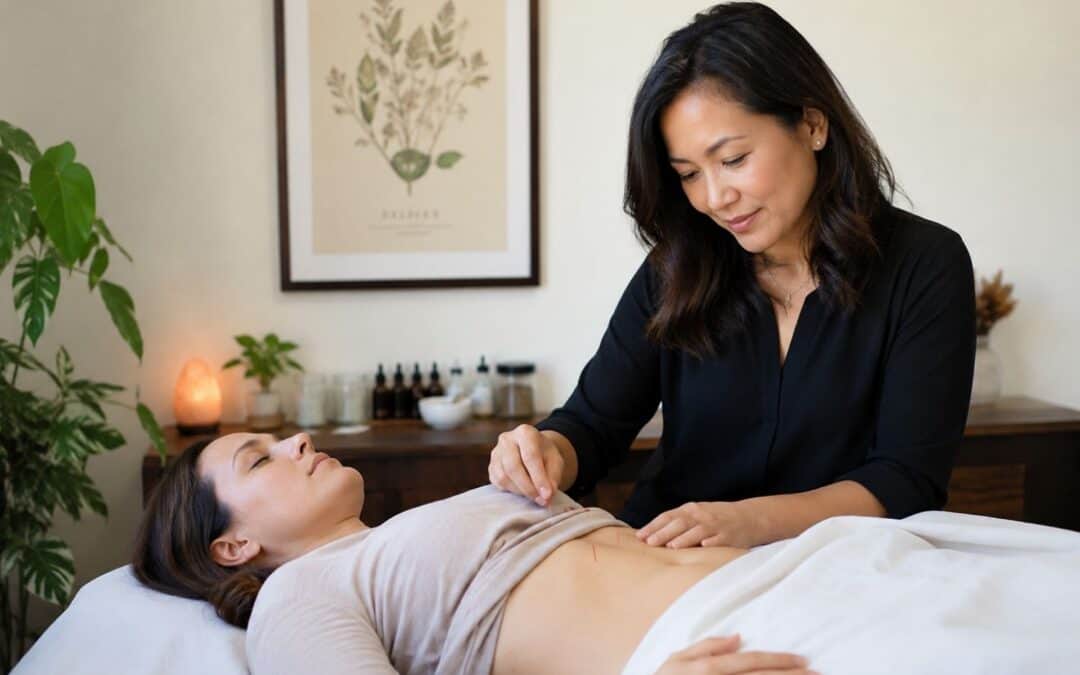
At City Pulse Acupuncture, care is tailored to your menstrual cycle, health history, fertility goals, and current medical care. Treatment can be adapted whether you are trying to conceive without assistance, undergoing fertility treatment, or receiving prenatal acupuncture during pregnancy.
If you are considering fertility tea, Chinese herbs, or fertility acupuncture, schedule an appointment with City Pulse Acupuncture in Oakland. We can review your current supplements and discuss how Traditional Chinese Medicine may fit into your fertility journey.
Frequently Asked Questions About Fertility Tea
Can fertility tea help me get pregnant naturally?
There is not enough high-quality evidence to say that fertility tea reliably helps people conceive. Some herbs have long histories of traditional use, but traditional use and proven fertility outcomes are not the same. If you are trying to conceive, it is best to evaluate the specific ingredients and your individual health needs rather than relying on general fertility claims.
When should I start drinking fertility tea when trying to conceive?
There is no universal time when someone should start a fertility tea. The answer depends on the ingredients, your menstrual cycle, your medical history, medications, fertility treatment, and whether the herbs would remain appropriate if you became pregnant that cycle. A practitioner familiar with reproductive health and herbal medicine can help you determine whether a particular formula makes sense.
Is fertility tea safe during pregnancy?
A fertility tea is not automatically safe during pregnancy simply because it is natural. Many botanicals have not been adequately studied in pregnancy, and some herbs may be inappropriate. Review every ingredient with your healthcare provider rather than assuming that a tea can be continued after a positive pregnancy test.
Can I drink fertility tea during IVF or IUI?
Do not assume a fertility tea is compatible with IVF or IUI medications. Herbs and supplements can interact with medications, and your fertility clinic may have specific recommendations about what to use or discontinue during treatment. Provide your fertility specialist with the full ingredient list before starting the tea.
Are fertility teas the same as Chinese herbs for fertility?
No. A commercial fertility tea is usually a standardized product marketed to a broad audience. Chinese herbal medicine is traditionally individualized based on a person’s symptoms, menstrual cycle, health history, current treatment, and Traditional Chinese Medicine assessment.