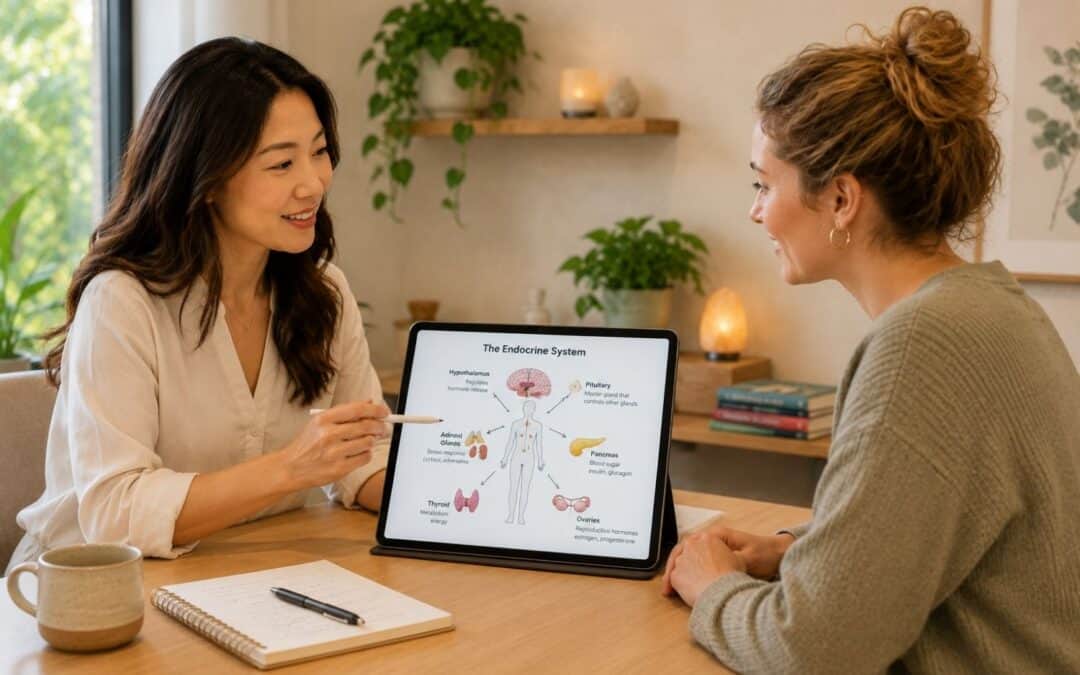

You may be tracking every cycle detail and still wondering what actually helps ovulation. Supporting ovulation starts with understanding what your body is doing, identifying factors that may be affecting reproductive hormones, and choosing care that fits your individual needs.
Food, sleep, movement, acupuncture, and appropriately prescribed herbs can all be part of a thoughtful approach to reproductive health. The most useful plan depends on your cycle patterns, health history, diagnosis, and fertility goals.
How Can You Support Ovulation Naturally?
Using lifestyle, nutrition, stress management, fertility acupuncture, and other non-medication approaches can help create conditions that support healthy ovulation. Medical evaluation can still be important when ovulation is irregular or absent to help determine what may be affecting it.
Many factors can affect ovulation, including Polycystic Ovarian Syndrome (PCOS), now known as Polyendocrine Metabolic Ovarian Syndrome (PMOS), thyroid dysfunction, elevated prolactin, changes in weight or energy intake, intense exercise, perimenopause, and diminished ovarian reserve. Stress can influence overall well-being, but irregular or absent ovulation can have many causes that deserve a closer look.
How Can You Tell Whether You’re Ovulating?
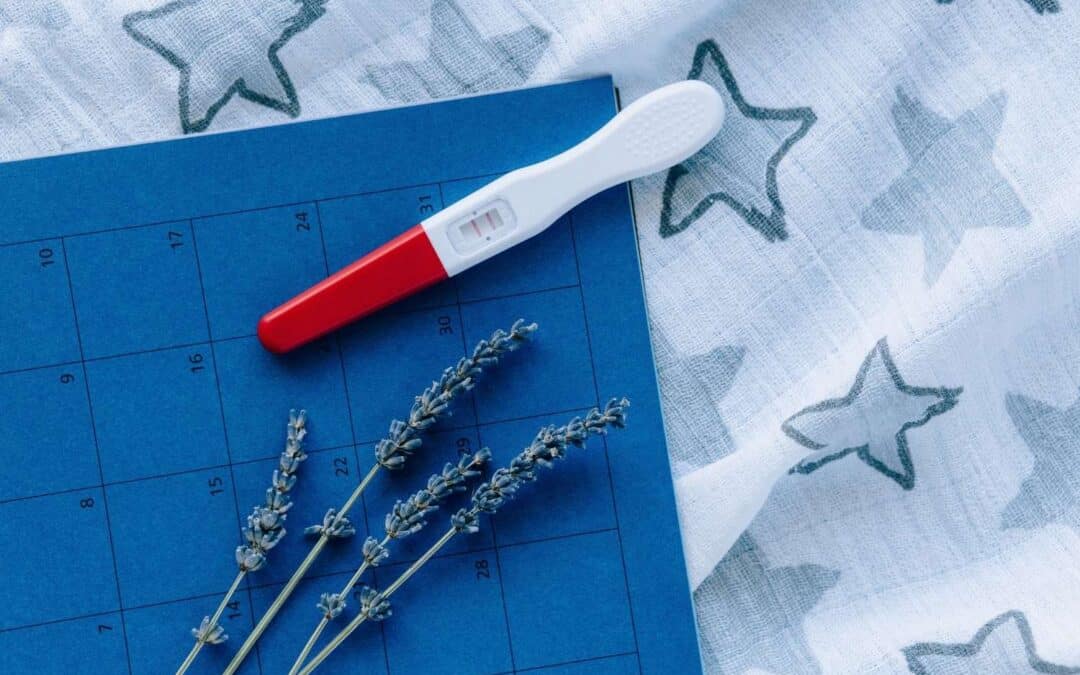
You can estimate ovulation at home by combining cycle observations, but clinical testing provides more certainty when your cycles are irregular or you are receiving fertility treatment. A period-tracking app predicts ovulation based on previous cycle dates, but it does not confirm that an egg was released.
Useful tracking options include:
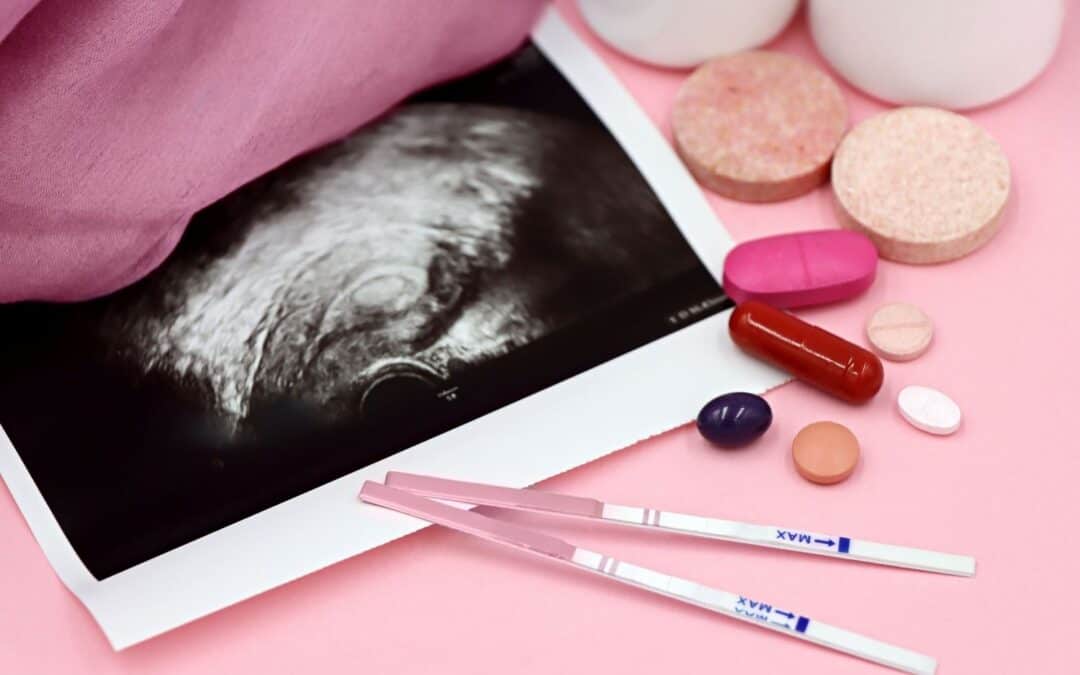
- Luteinizing hormone tests: These urine tests identify a hormone surge that commonly occurs before ovulation. PCOS/PMOS and some fertility medications can make results more difficult to interpret.
- Cervical mucus observations: Clear, slippery mucus often appears near the fertile window, although infections and medications can affect it.
- Basal body temperature: A sustained temperature rise can suggest that ovulation has already occurred. It is more useful for recognizing patterns than predicting the current cycle’s fertile days.
- Menstrual cycle records: Tracking bleeding dates, spotting, symptoms, medications, and test results can give your clinicians a clearer picture.
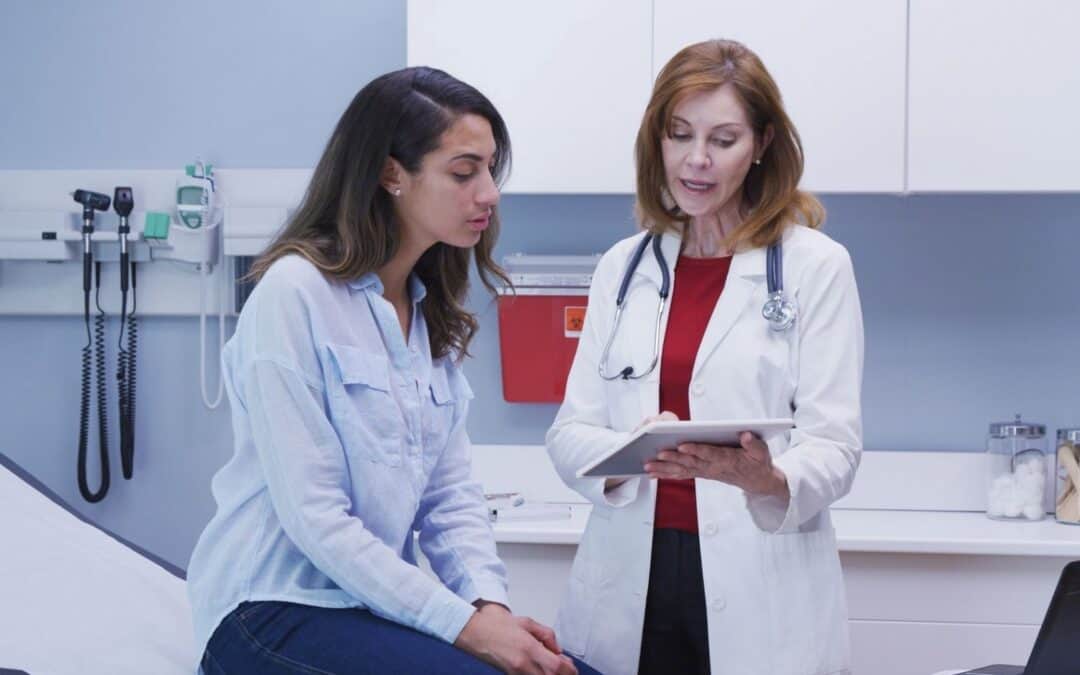
Your clinician may use progesterone testing or ultrasound monitoring when confirming ovulation is important. The American College of Obstetricians and Gynecologists explains that a fertility evaluation may include reviewing ovulation, ovarian function, reproductive anatomy, and semen factors.
How Can Nutrition Support Ovulatory Health?
Eating enough and getting a balanced mix of nutrients can help support the hormone production and energy needs involved in ovulation. Rather than focusing on one specific food or following a restrictive fertility diet, aim for consistent, nourishing meals that support overall reproductive health.
A balanced approach may include:
- Protein from foods such as eggs, fish, poultry, beans, lentils, tofu, or Greek yogurt
- Fiber-rich carbohydrates such as whole grains, beans, fruit, and starchy vegetables
- Healthy fats from foods such as avocado, olive oil, nuts, seeds, and fatty fish
- A variety of fruits and vegetables
- Regular meals that help support steady energy throughout the day
If you have insulin resistance or PCOS/PMOS, you may benefit from more individualized nutrition guidance from a registered dietitian or physician.
Avoid aggressive calorie restriction unless it is part of a medically supervised plan. Low energy availability can disrupt menstrual function even when body weight appears typical. Metabolic conditions can also affect ovulation and deserve individualized care rather than generic weight advice.
Supplements also deserve an individualized approach. Prenatal vitamins and folic acid are commonly discussed before conception, but your clinician can help you choose appropriate doses and check for medication interactions. More is not always better, particularly with fat-soluble vitamins and concentrated herbal products.
Can Sleep and Exercise Affect Ovulation?
Sleep and exercise can influence the metabolic and hormonal systems involved in reproductive health. Aim for routines that feel sustainable during ordinary weeks as well as fertility treatment cycles.
A consistent sleep schedule and enough restorative sleep can support your overall health. Shift work, insomnia, pain, medication effects, and treatment-related anxiety can make that more difficult. If sleep problems persist, discuss them with your healthcare provider.
Moderate movement can support cardiovascular and metabolic health. Excessive high-intensity training combined with inadequate nutrition may contribute to cycle disruption, while prolonged inactivity can affect other aspects of health. The right level of activity for you depends on your health, diagnosis, and stage of treatment.
During ovarian stimulation, enlarged ovaries may change which activities are appropriate. Follow your fertility clinic’s exercise recommendations during IVF.
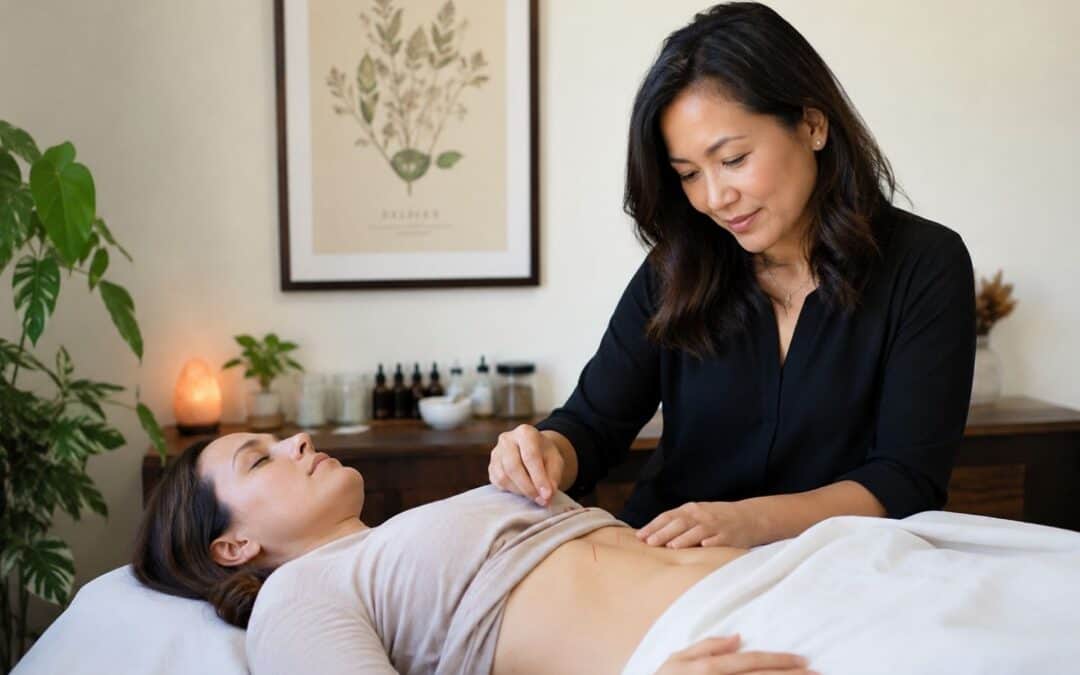
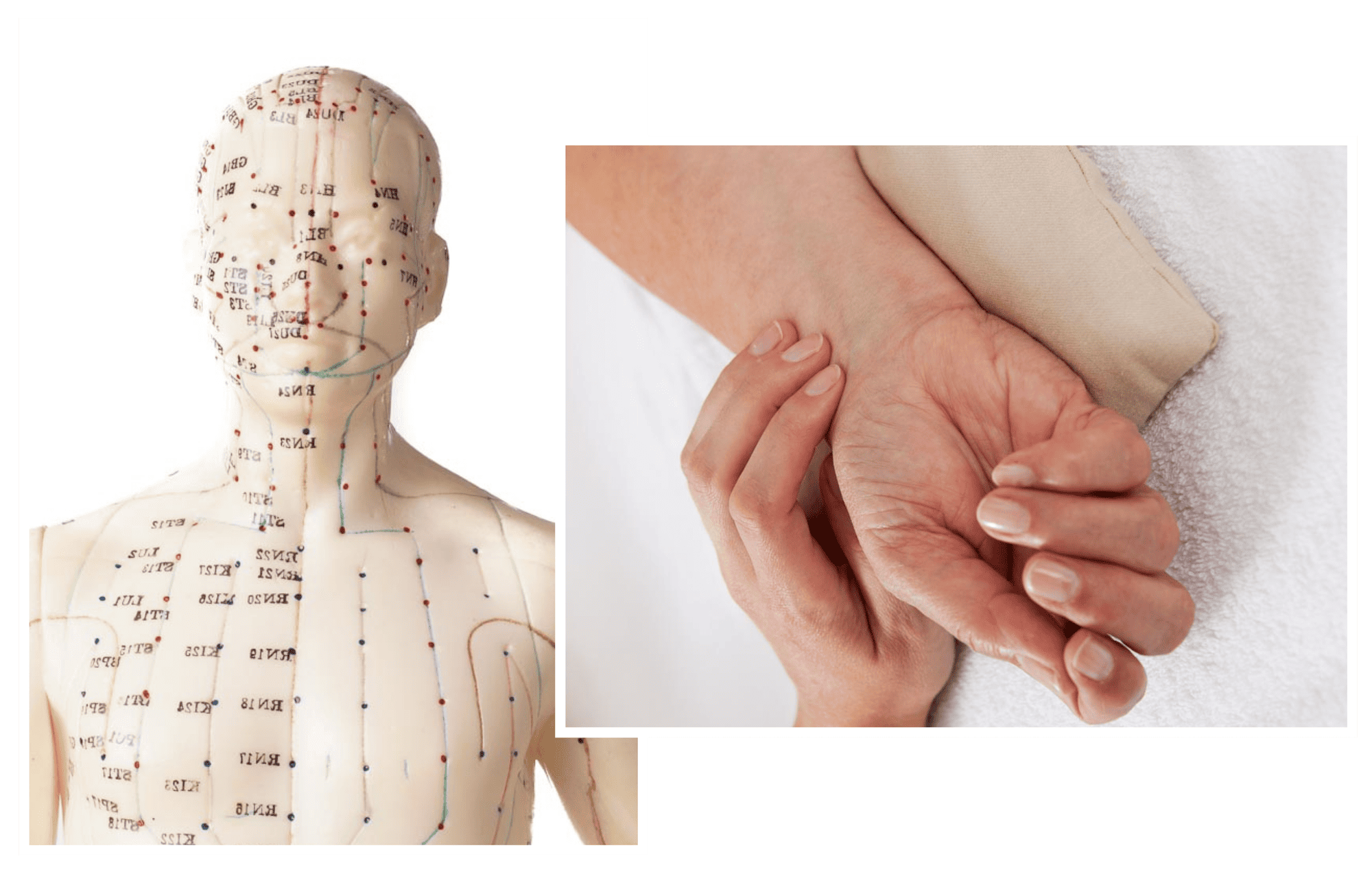
How Does Fertility Acupuncture Help Support Ovulation?
At City Pulse Acupuncture, fertility care is tailored to your health history, cycle patterns, symptoms, and fertility goals. Dr. Rachel Hemphill is a board-certified fellow of the Acupuncture and TCM Board of Reproductive Medicine (ABORM) and combines Traditional Chinese Medicine with a strong understanding of Western reproductive medicine.
Your acupuncture plan may take into account:
- Your menstrual pattern and known diagnosis
- Symptoms such as pelvic pain, digestive changes, sleep difficulty, or headaches
- Current fertility medications and supplements
- The timing of monitoring, retrieval, transfer, or timed intercourse
- Questions to discuss with your reproductive endocrinologist or OB-GYN
Treatment can change as your cycle, symptoms, or fertility plan changes, allowing care to remain specific to where you are in the process.
Can Herbal Medicine Help Support Ovulation?
Herbal medicine may be considered as part of an individualized fertility plan after reviewing your diagnosis, medications, supplements, and treatment schedule. Recommendations can change depending on where you are in your cycle or fertility treatment.
Because herbal formulas contain active ingredients, your fertility clinic and herbal practitioner need to know what you are taking. This is especially important during ovarian stimulation, before procedures, after embryo transfer, and during pregnancy.
At City Pulse Acupuncture, herbal recommendations are tailored to your health history and current stage of care, with formulas dispensed through the practice’s herbal dispensary.
How Can Natural Support Fit With IVF or Fertility Medication?
Natural support can be coordinated with IVF or fertility medication by keeping your care team updated on your medications, supplements, and treatment timeline. Your acupuncturist should understand where you are in the process so care can be adjusted appropriately and stay aligned with your fertility clinic’s recommendations.
Helpful information to share includes:
- Your diagnosis and relevant medical history
- Your current treatment protocol and medications
- Known allergies or previous reactions
- Monitoring dates and major treatment milestones
- Your clinic’s supplement and activity recommendations
- Questions you want to discuss with your fertility specialist
Because treatment dates can shift based on laboratory results and ultrasound findings, keep acupuncture scheduling flexible until your fertility clinic confirms important dates.
When Should You Seek a Medical Evaluation for Ovulation Problems?
You should seek medical evaluation when periods are consistently absent, very irregular, unusually painful, or accompanied by other concerning symptoms. Earlier assessment can also make sense when you have a known reproductive diagnosis or are preparing for fertility treatment.
Contact an OB-GYN, primary care clinician, or reproductive endocrinologist when you experience:
- Your period has been absent for several months without a known explanation
- Cycles that are repeatedly difficult to predict
- Significant pelvic pain or very heavy bleeding
- Symptoms such as new facial hair growth, severe acne, nipple discharge, or hot flashes
- A history of endometriosis, pelvic infection, ovarian surgery, or cancer treatment
- Recurrent pregnancy loss
- Concerns about sperm factors or sexual function
According to the American Society for Reproductive Medicine, a fertility evaluation is generally recommended after 12 months of regular unprotected intercourse if you are under 35 and after six months if you are 35 or older. Evaluation may be recommended sooner when you have a condition associated with infertility or another reason for concern.
Seek urgent medical care for severe pain, fainting, shoulder pain, heavy bleeding, breathing difficulty, or symptoms that could indicate an ectopic pregnancy or complication from fertility treatment.
What Is a Practical Plan for Supporting Ovulation?
A practical plan combines medical clarity, consistent health habits, careful tracking, and complementary care that fits your needs. You do not need to change everything at once.
Use these steps to get started:
- Record several cycles. Track bleeding, ovulation test results, symptoms, medications, and relevant clinic findings.
- Request an evaluation when needed. Ask about possible causes of irregular or absent ovulation rather than assuming lifestyle changes will resolve the issue.
- Support a consistent routine. Prioritize sufficient meals, regular sleep, and movement appropriate for your health and treatment stage.
- Review your supplements. Share the same complete medication and supplement list with everyone involved in your care.
- Follow your fertility clinic’s guidance. Follow recommendations for medications, monitoring, procedures, and activity during treatment.
- Consider specialized support. Choose a licensed practitioner who understands both Traditional Chinese Medicine and reproductive medicine.
- Reassess as needed. Update your approach when your diagnosis, medications, symptoms, or treatment schedule changes.
Supporting ovulation is about making thoughtful, sustainable choices based on your health and fertility needs. A clear plan can help you understand what may be affecting your cycle and decide which next steps make sense for you.
Fertility Acupuncture Support in Oakland
Dr. Rachel Hemphill is a board-certified fellow of the Acupuncture and TCM Board of Reproductive Medicine and has extensive experience supporting patients through cycle concerns, fertility treatment, and IVF. At City Pulse Acupuncture, care is personalized to your health history, fertility goals, and current stage of treatment.
If you are looking for fertility acupuncture in Oakland or the Bay Area, City Pulse Acupuncture offers a free consultation to discuss your concerns and how acupuncture or herbal medicine may fit into your fertility plan. Schedule a consultation to learn more.
Frequently Asked Questions About Supporting Ovulation
Can you ovulate without having obvious symptoms?
Yes, you can ovulate without noticing pain, cervical mucus changes, or other recognizable symptoms. Home tracking tools may help you identify a pattern, but bloodwork or ultrasound can provide clearer information when confirmation affects treatment decisions.
Do regular periods always mean you are ovulating?
No. Regular bleeding does not confirm that ovulation occurred in every cycle. Your clinician can help determine whether testing is appropriate, especially if pregnancy has not occurred or your cycle pattern has recently changed.
How long should you try natural ovulation support before seeking help?
The right timeline depends on your age, diagnosis, cycle pattern, and reproductive history. Seek guidance sooner if your periods are absent or irregular, you have a condition linked with infertility, or your fertility clinic has already recommended treatment.
Can you use fertility herbs while taking letrozole or clomiphene?
Check with the clinician prescribing your fertility medication before adding herbs to your treatment plan. Herbal formulas contain active ingredients and may interact with medications such as letrozole or clomiphene.
Should acupuncture begin before an IVF cycle?
The appropriate start date depends on your goals, schedule, symptoms, and clinic protocol. A fertility-focused acupuncturist can help you plan supportive care around your treatment timeline.
Can acupuncture improve egg quality?
Acupuncture may be used to support overall reproductive health, but egg quality is influenced by factors including age, ovarian function, genetics, and individual health. Your reproductive endocrinologist can help you understand how these factors relate to your fertility and treatment options.